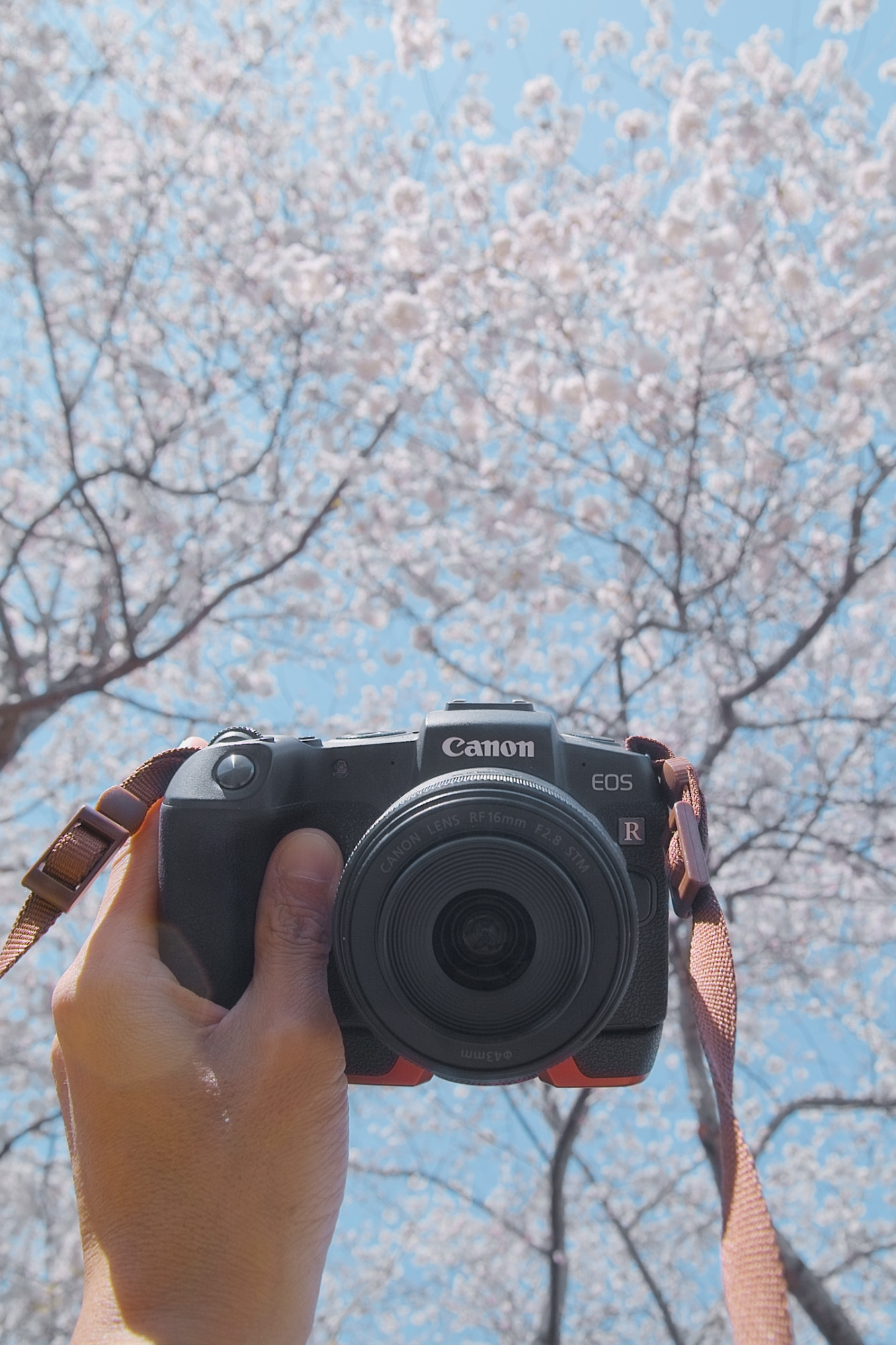
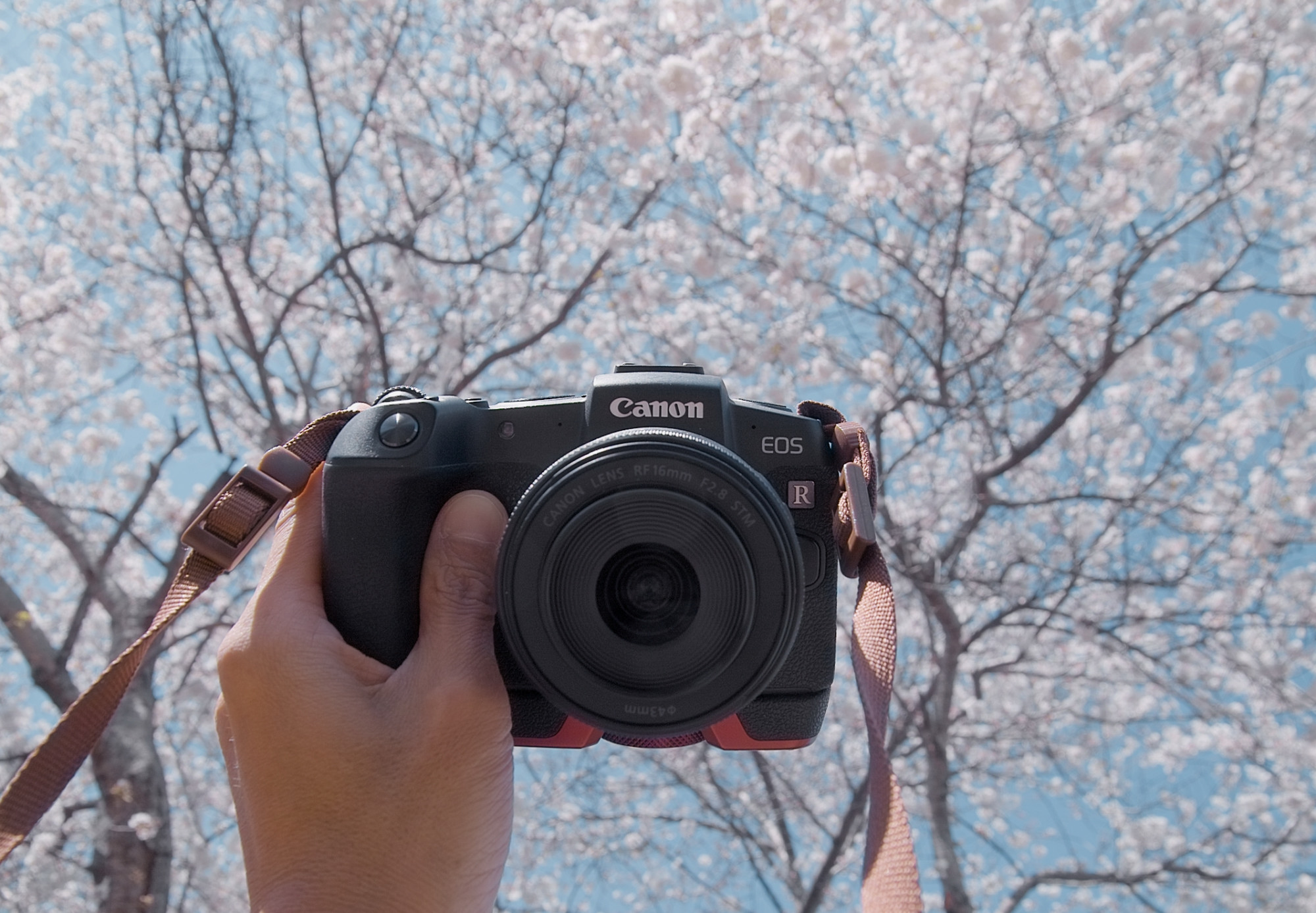
Canon RP with RF 16mm f/2.8 in front of cherry trees | Shot with a Sigma SD10
Hello everyone, the other day I noticed the Canon RF 16mm f/2.8 was on sale so I bought one. Here are my thoughts and sample photos in this mini review.
I’ve owned many wide angles over the years, and like every tool, they have their own quirks and use cases. Back in the early DSLR days I had a Nikon 12-24mm f/4 DX. That lens was pretty expensive at the time. For the Sigma Foveon cameras I have the 10-20mm. For Micro 4/3 I have the Panasonic 7-14mm f/4. All different sized lenses with different weight and annoyances in terms of use. It took this long (announced in 2021) for a company to come out with a light, affordable (~$260-300ish) FF ultrawide that really turns Canon mirrorless cameras into an easy mode setup that honestly reminds me of shooting with a phone.
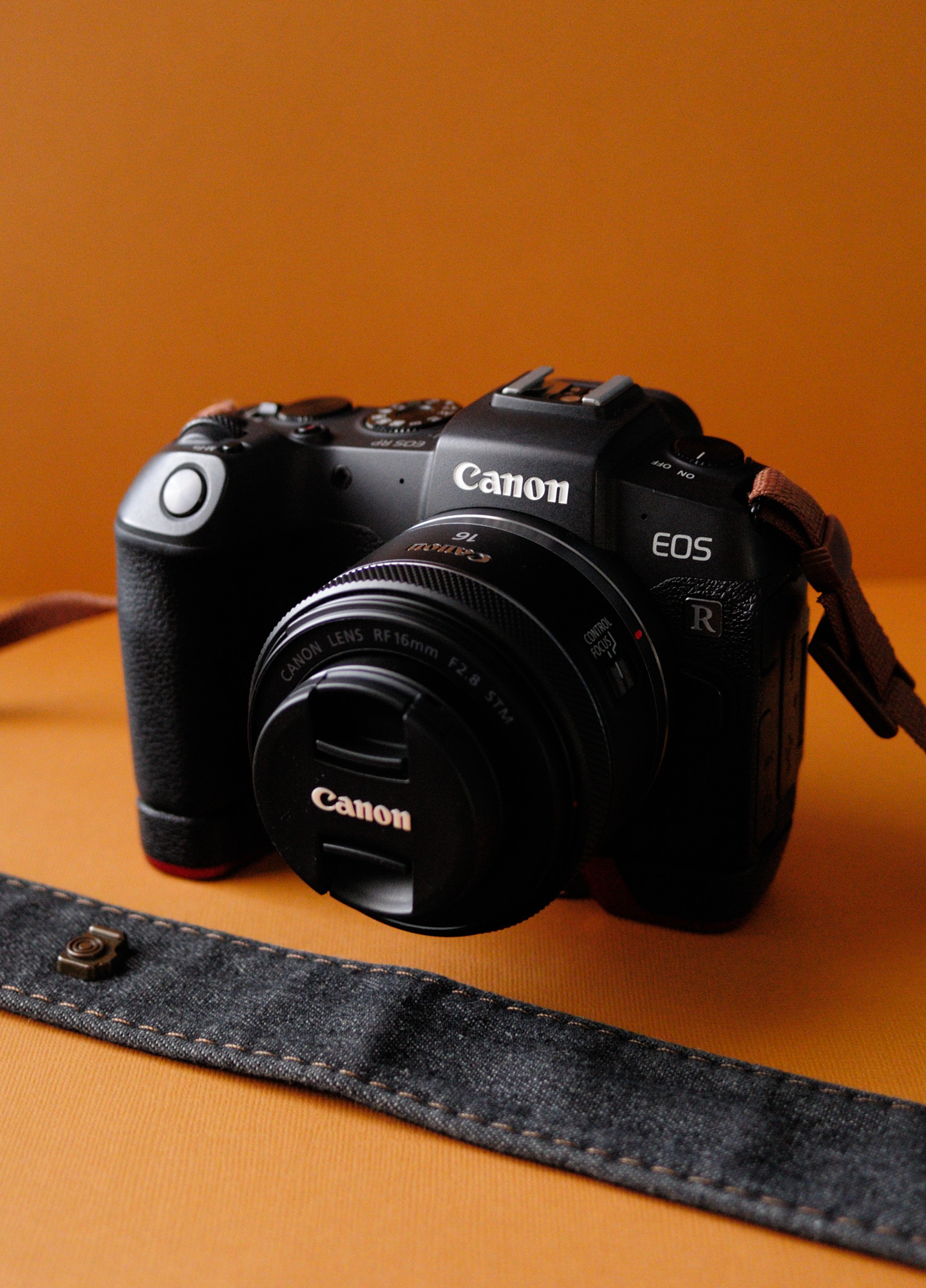
The 16mm f/2.8 is tiny and light. It has a 43mm filter thread but to be honest I don’t think it needs one to protect the also small front element. Even with the RP + extended grip, this is such a light one handed combo. It can rest quite easily in “tourist mode” on your belly for quick draws in reportage situations.
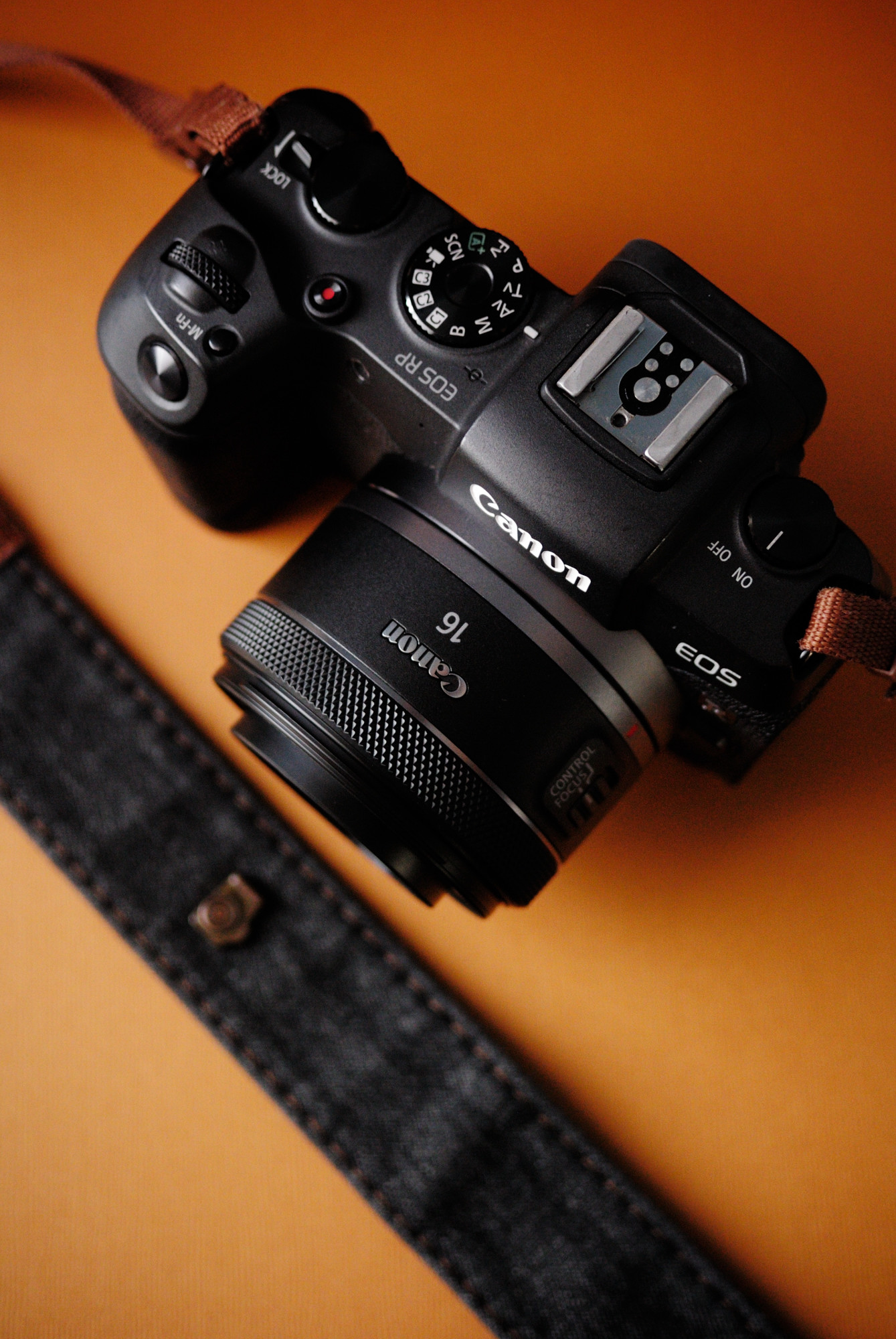
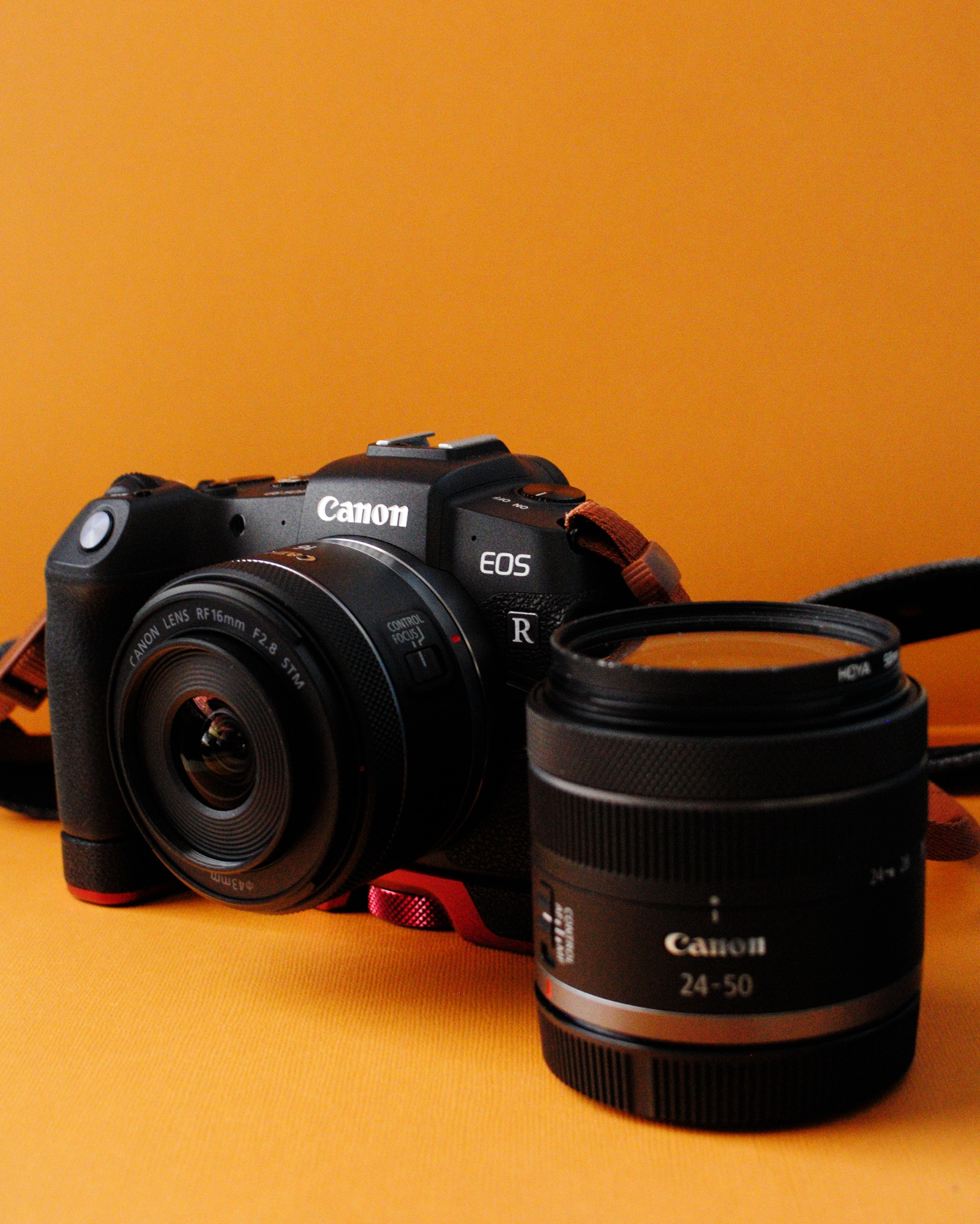
Here it is with the 24-50mm –another super light kit lens.
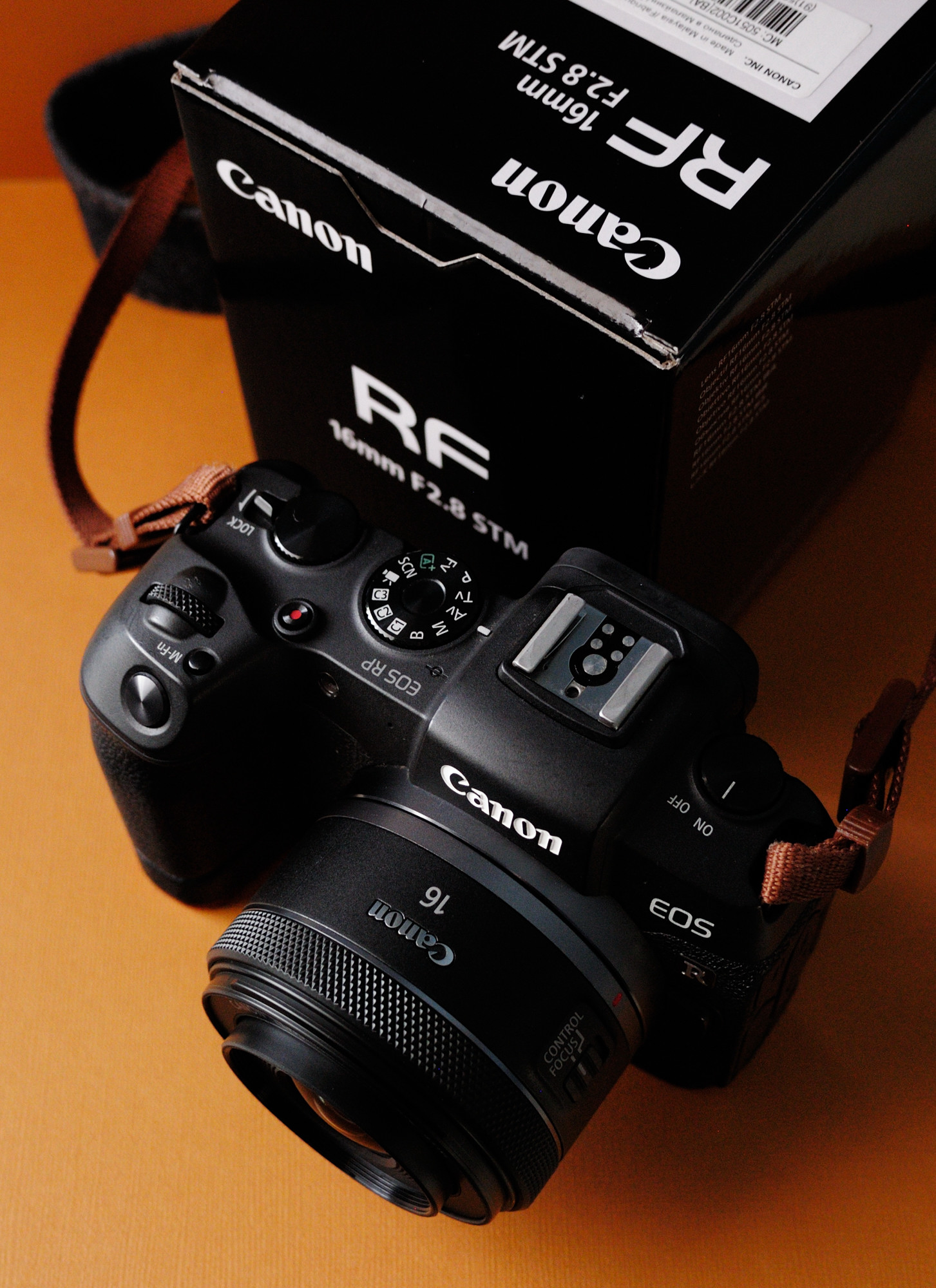
How this setup will work in some of my future loadouts is that for so long now I’ve noticed the events I cover are just increasingly more congested with limited space to operate. 50mm is a luxury, 35mm is passable for a few key figures in the frame, and 24mm is now sadly just not wide enough for large group photos. A lot of this comes from the general energy from the people in my community. Everybody wants to get photos or media for their own brand, and once you step back out of the crowd to perhaps try and use a more flattering longer lens, your point position will be taken over by somebody with a cell phone. So this 16mm I hope will do well to help me maintain that position. Sure this type of lens will have the edge/people distortion on the edges, but I’ll have to edit the photos anyway.
By selectively fixing the unflattering stretching of people and elements in the frame and then cropping, you actually end up with a more 3:4 aspect ratio final image from the native 2:3 frame. Wide angles allow one to get really close to a subject when there’s no room to back up, but just know that traditional true portrait photographers will not like the edge distortion in more serious photos and group shots.
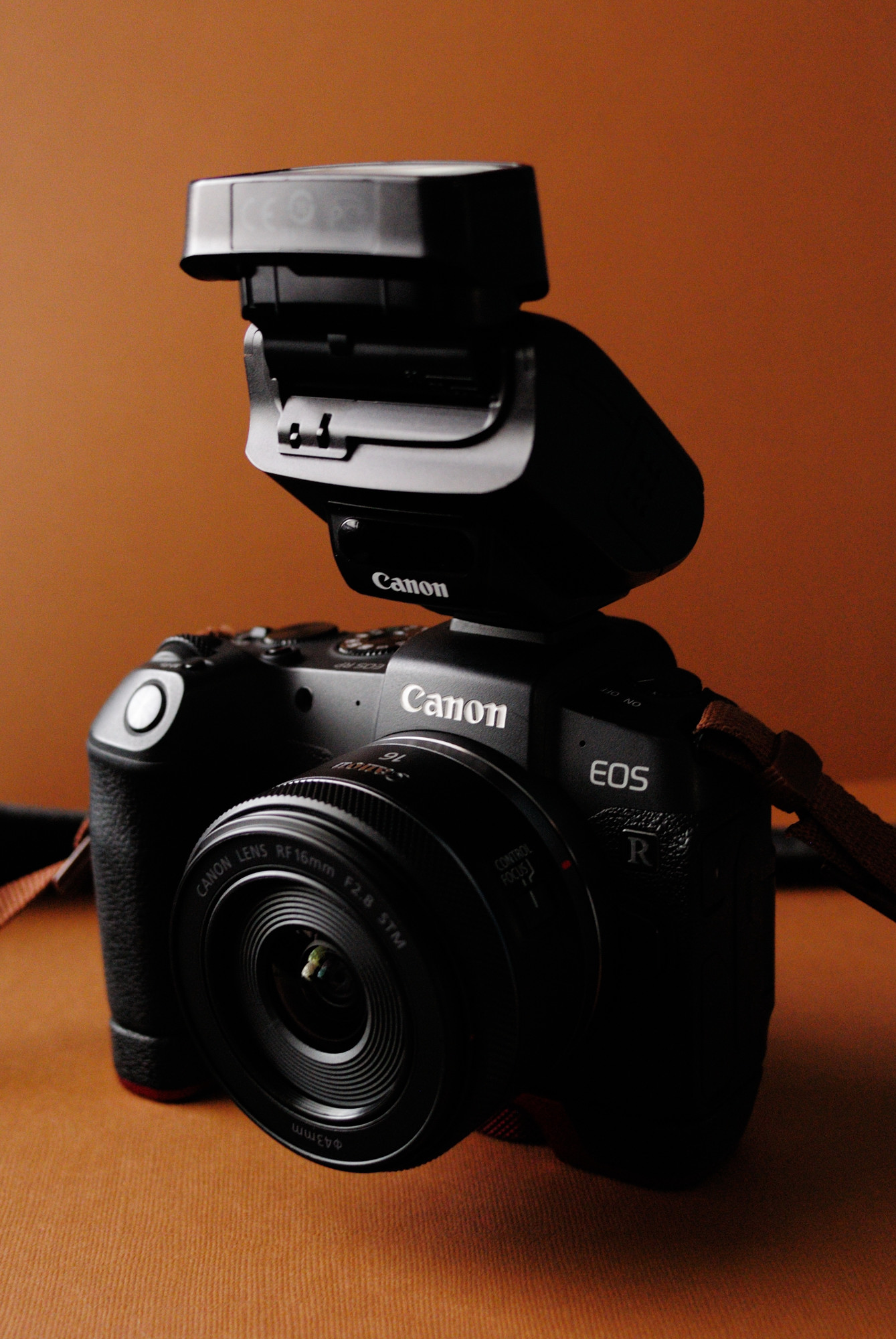
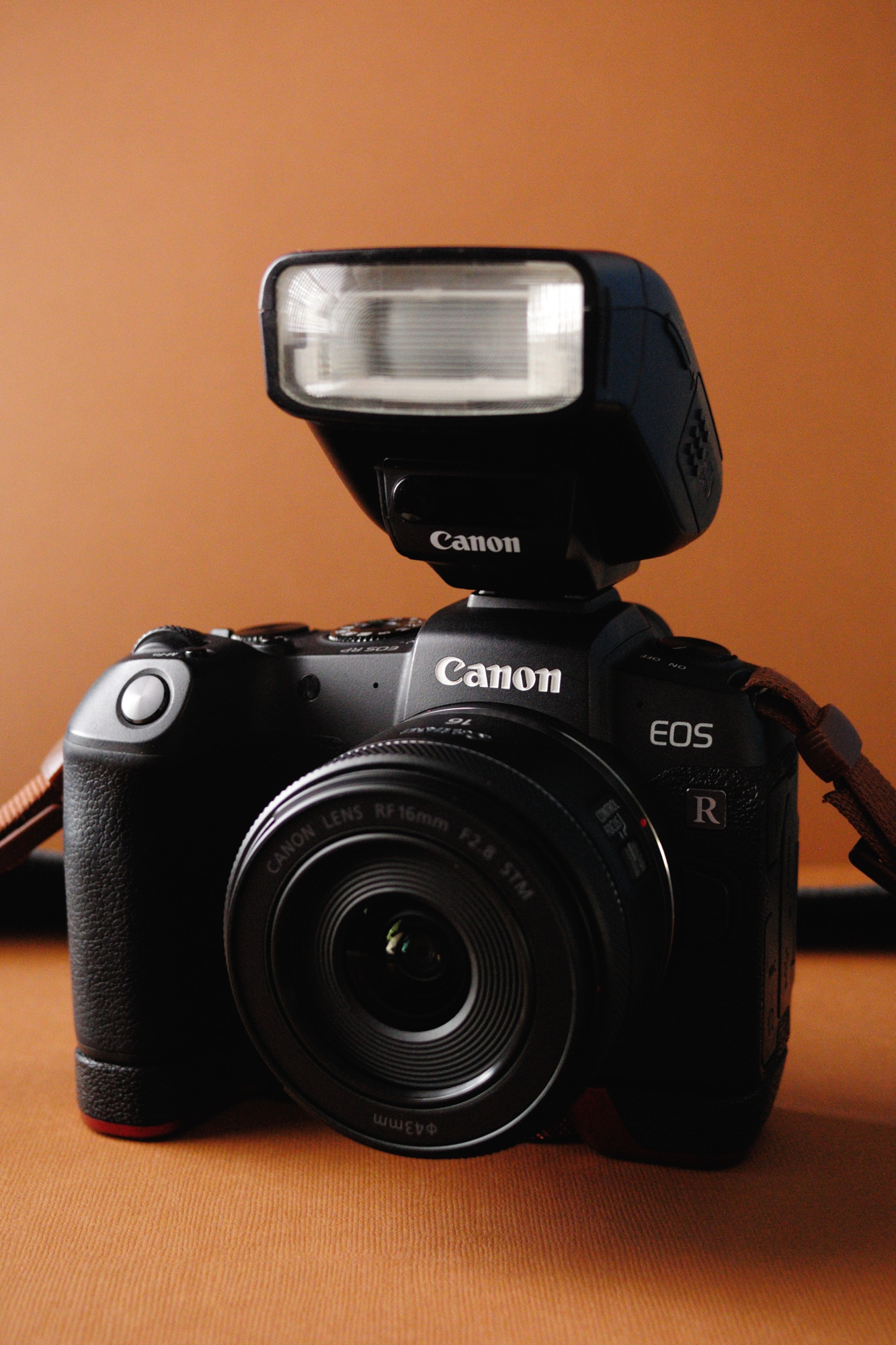
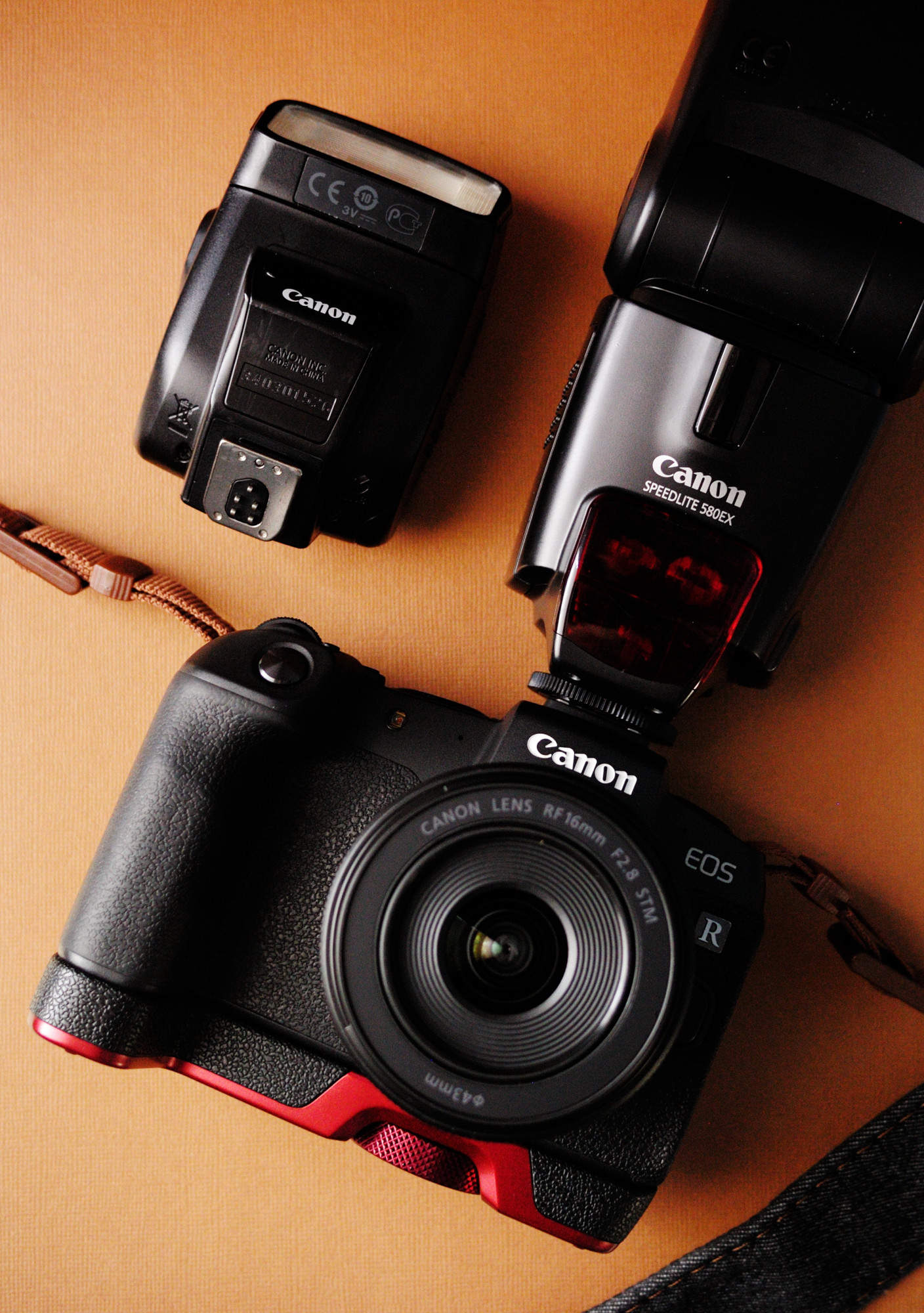
The small Canon 270 EX II that I have makes this into a very nice and easy social camera. Once you’ve used a setup like this it will make you question why some of us put up with 24-70mm 2.8’s and 14-24mm’s in the past. This is truly the advantage of mirrorless in this generation of cameras. I wish all the companies would start making simple light primes that work in tandem with usable ISO 6400-12,800. Something that just wasn’t possible a camera generation earlier.
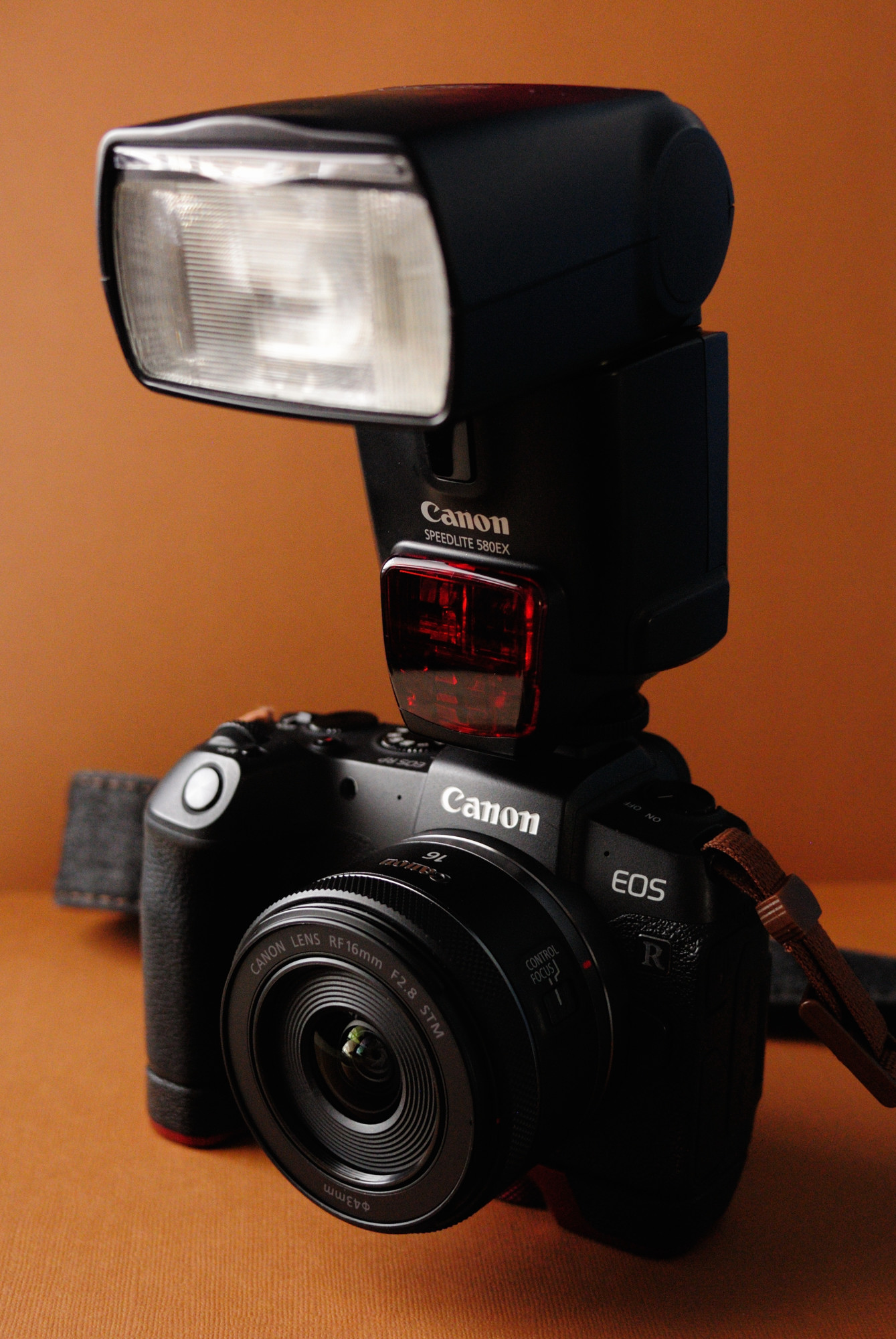
This is a bit unwieldy and top heavy, but the 580EX can better illuminate rooms and group shots in bounce flash mode with the 16mm.
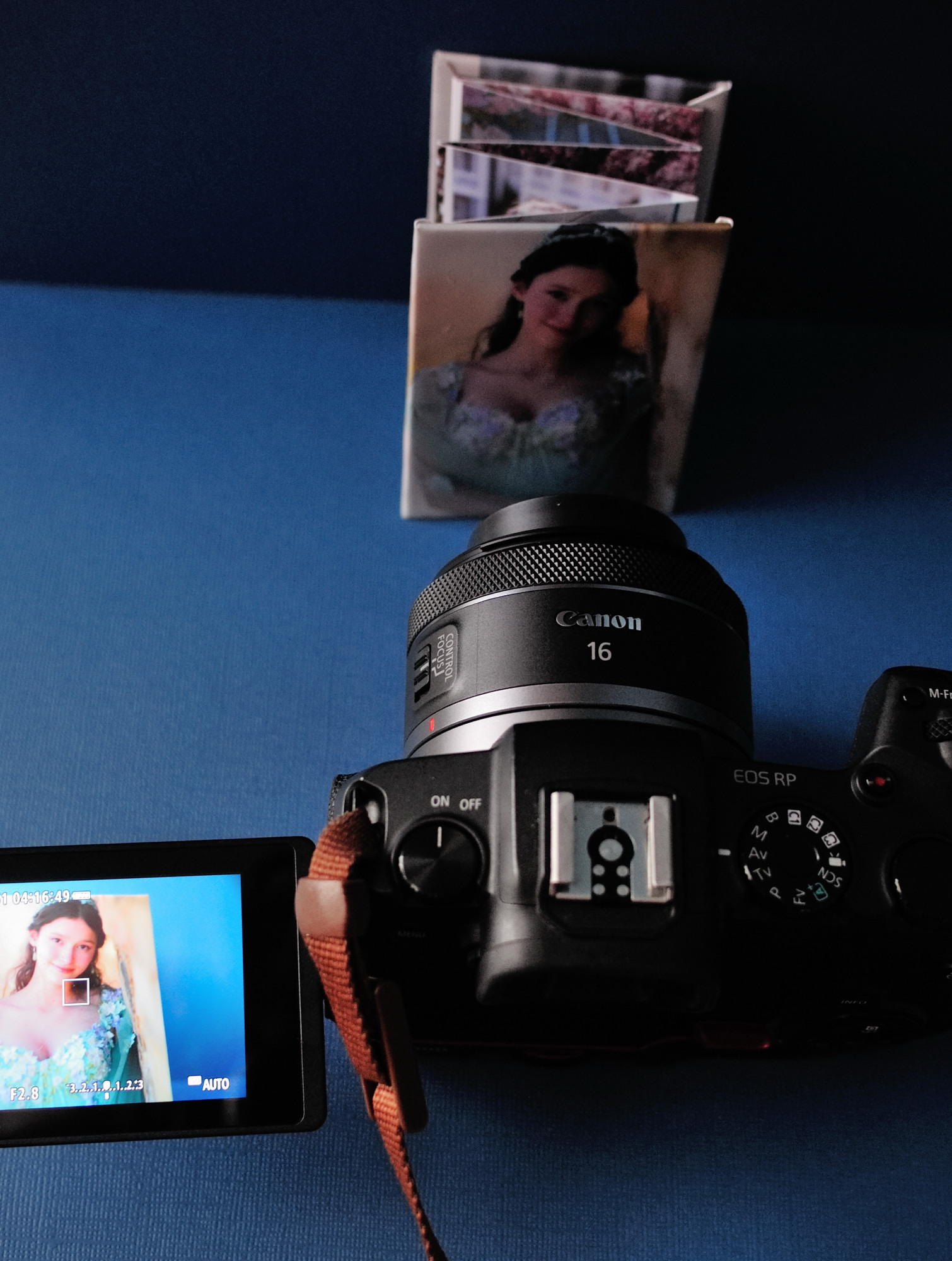
One of the best things about this lens is the close focusing. With wide angles one has to think the opposite and get closer to the subject. In these photos the 16mm can focus quite close to one of my mini accordion photo books. It’s approaching the distance that you can use with a phone camera.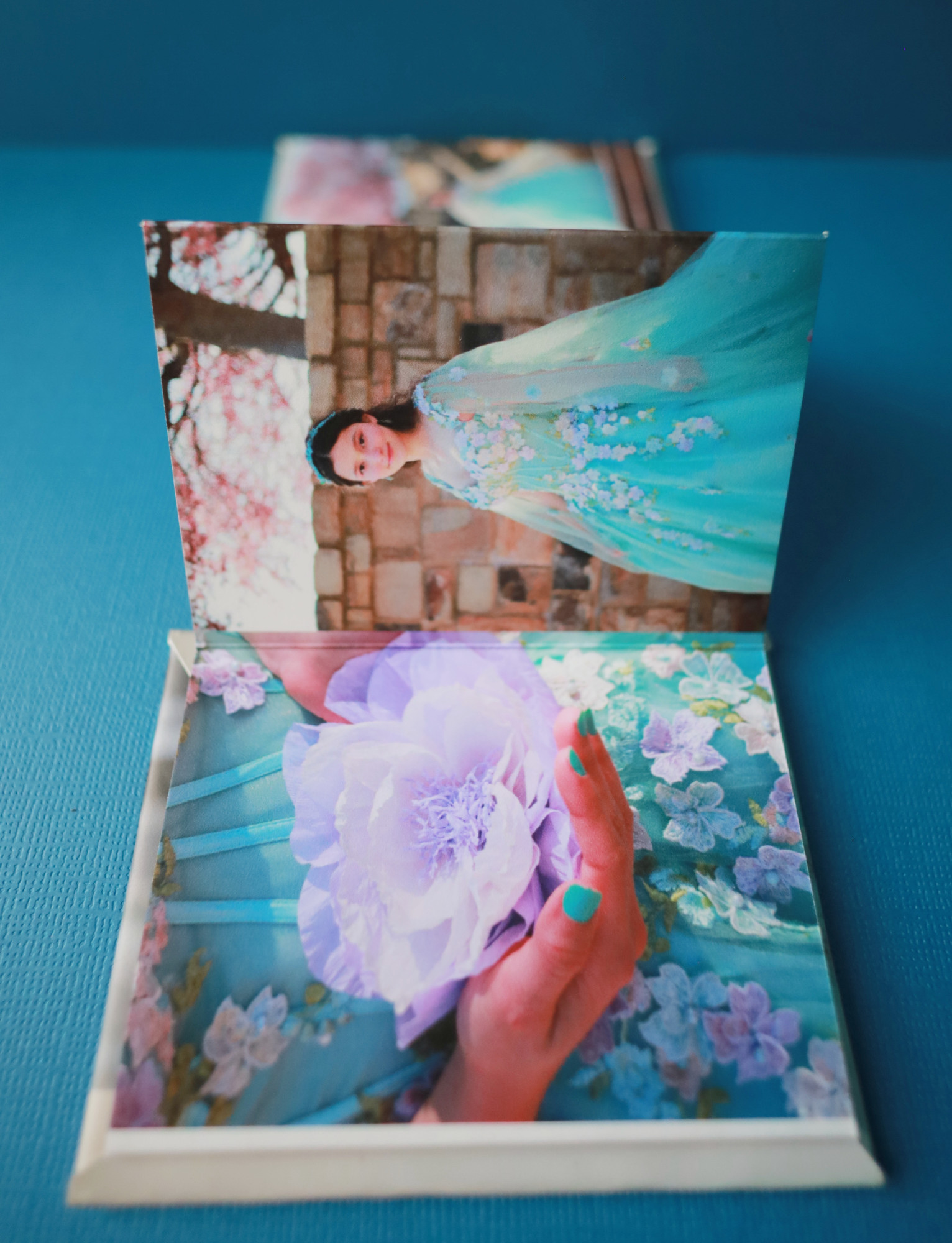
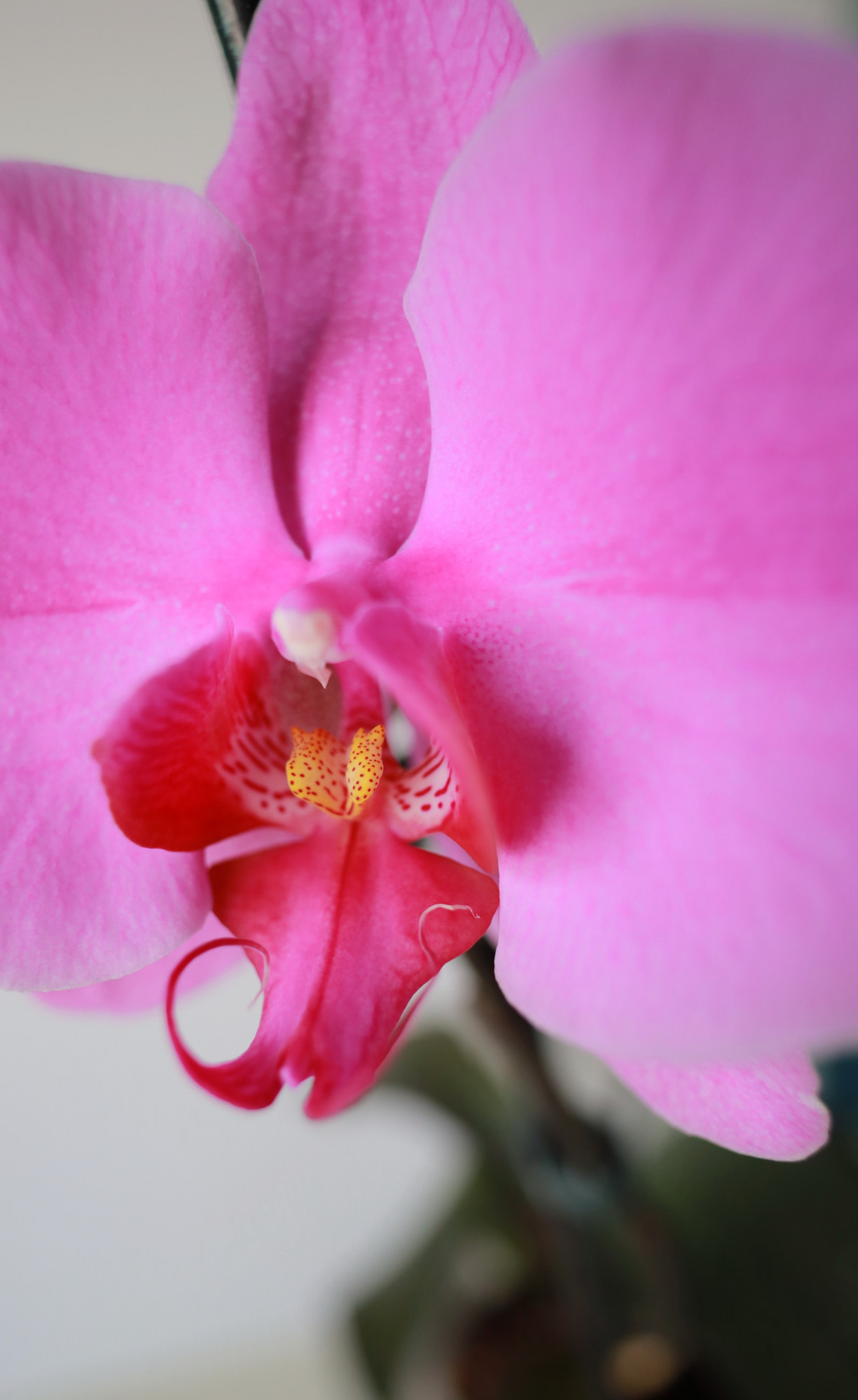
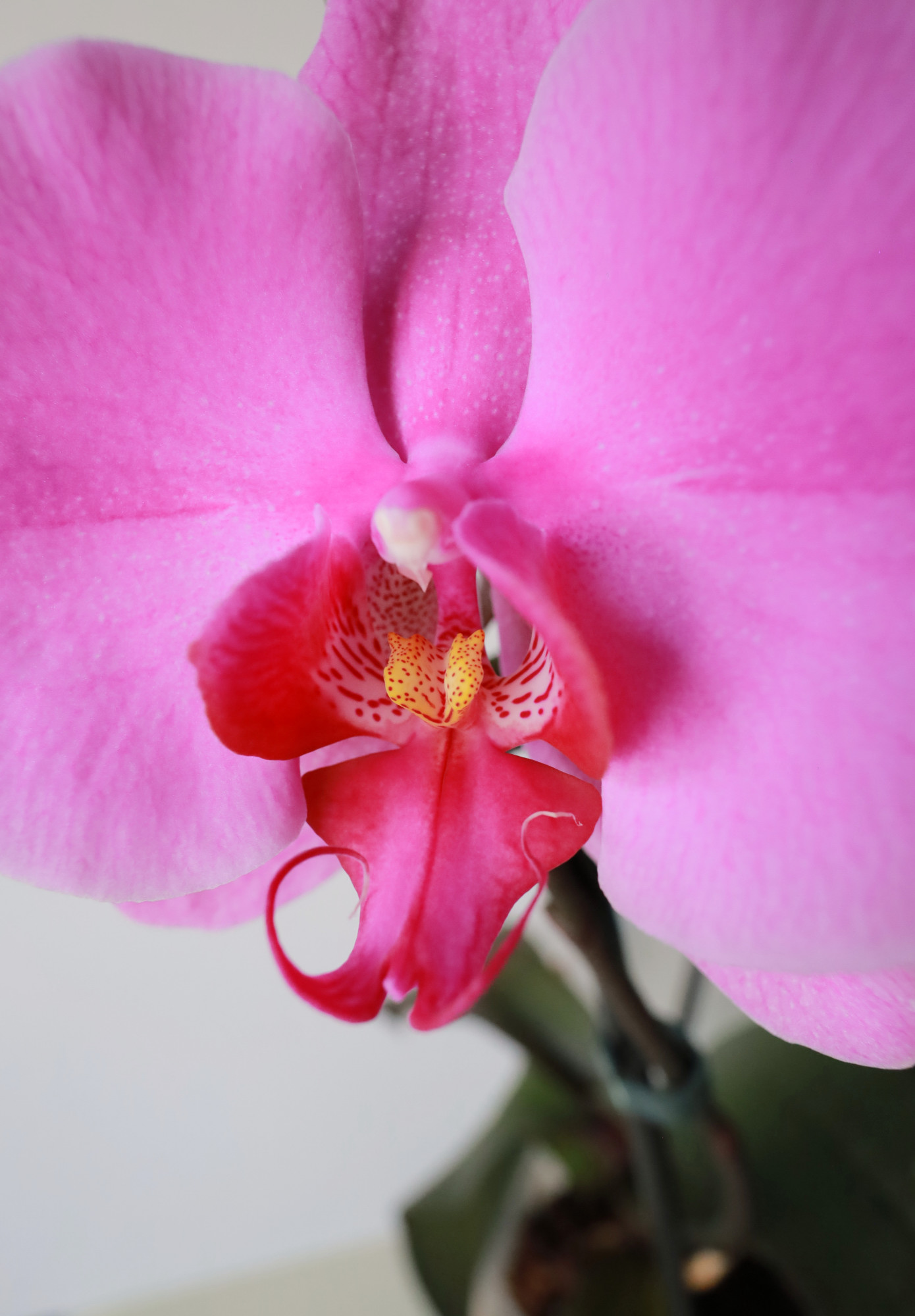
Here are some closeups at f/2.8 and f/6.3
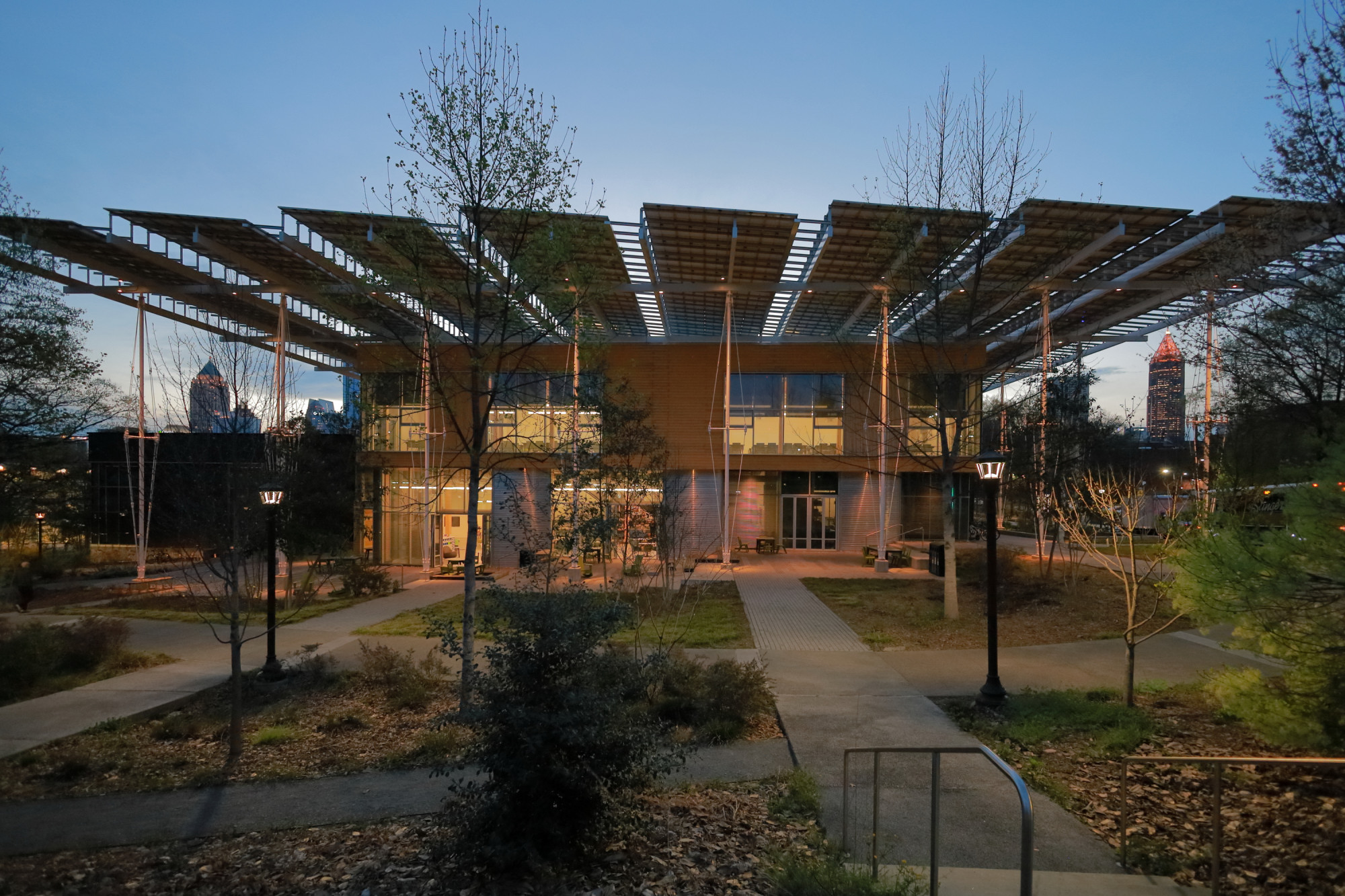
Ga Tech Kendeda Building | Canon RF 16mm f/2.8
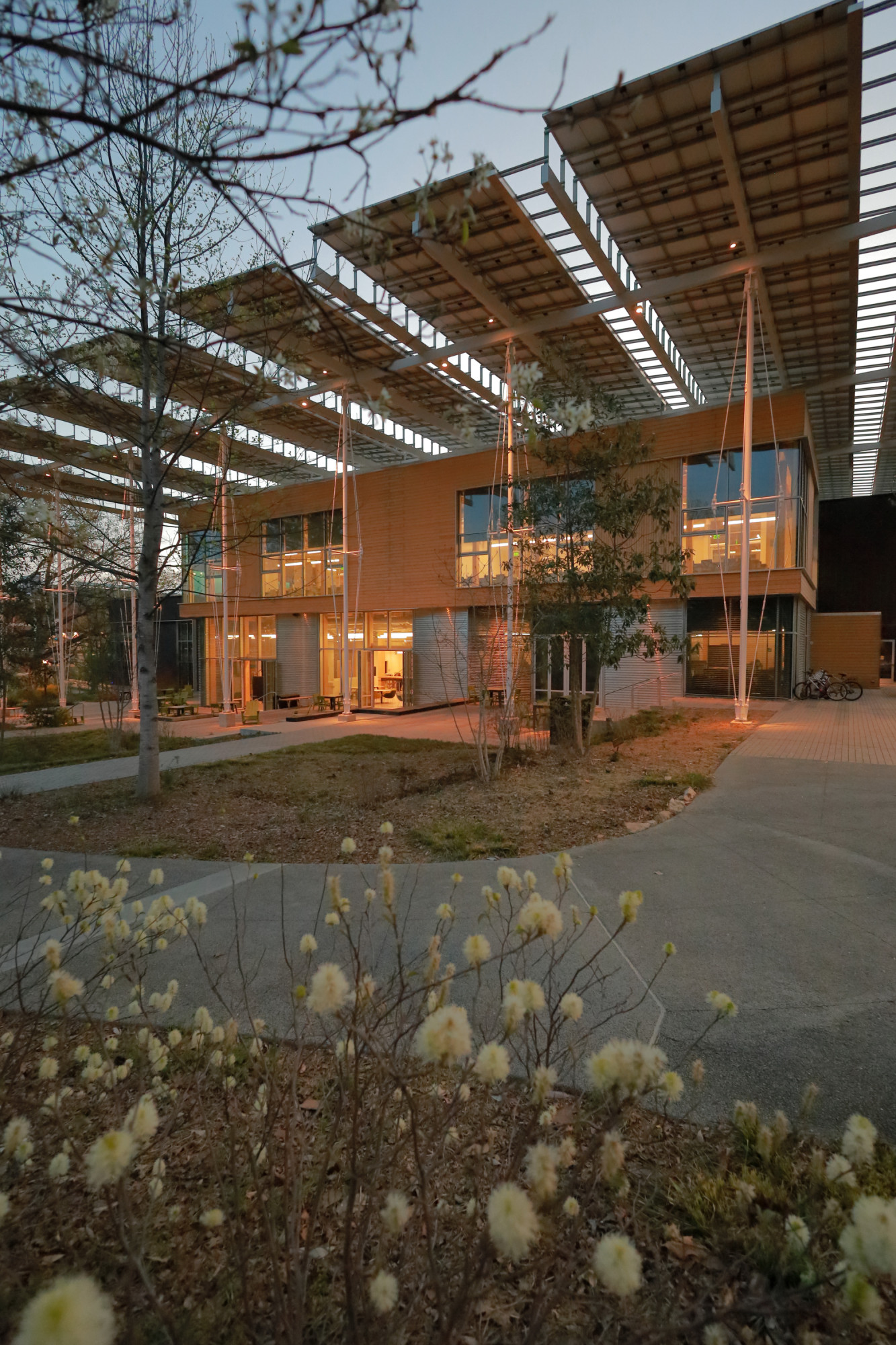
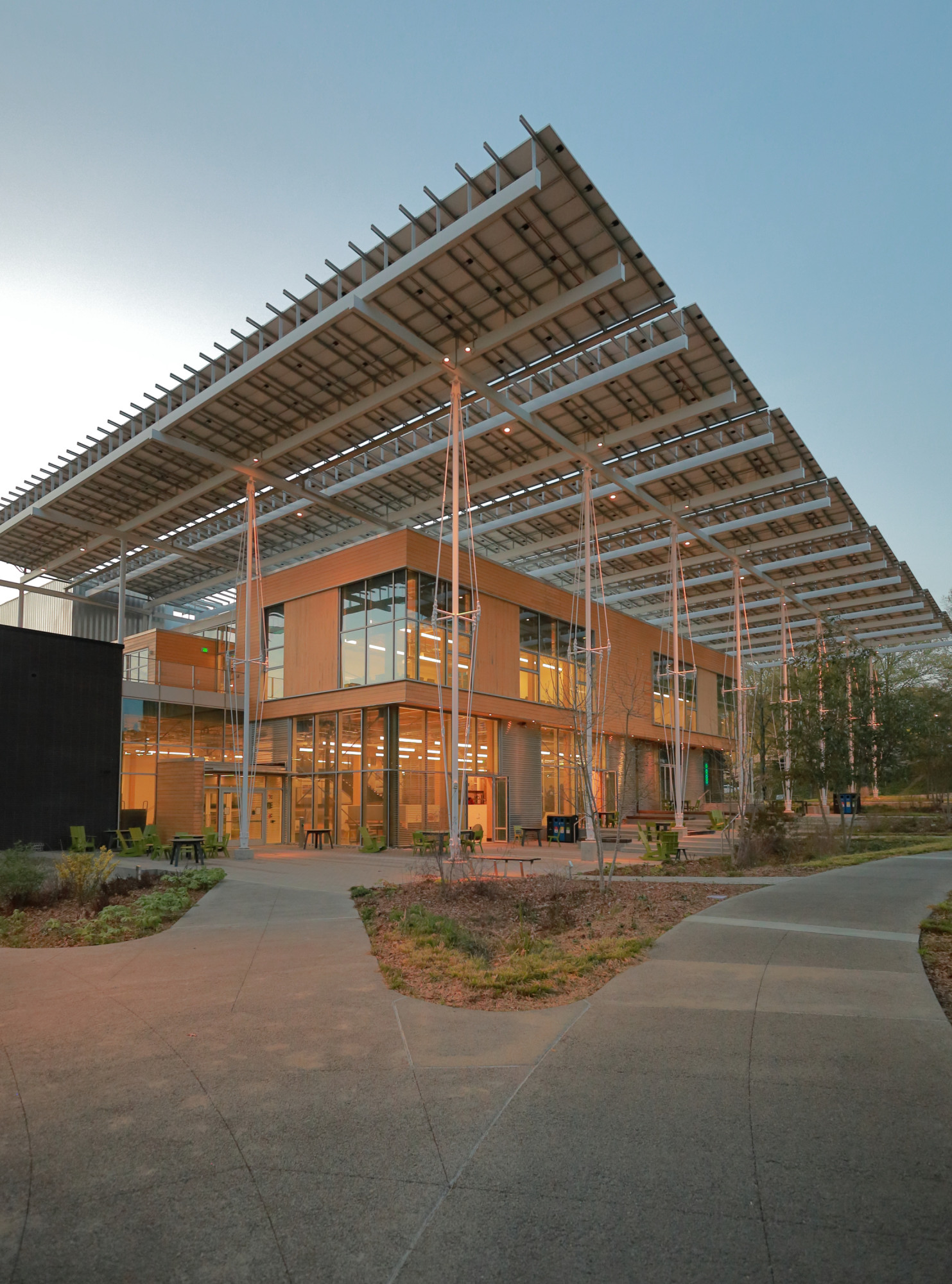
Unless you want to purposely have converging verticals in architectural shots, you’ll pretty much have to shoot with good discipline and then further fix the skewing of lines in post. Which will reduce the field of view of your original shot. For true flattering architecture I would use a 50mm or even longer, but oftentimes there just isn’t room to backup without getting distracting elements in the frame.
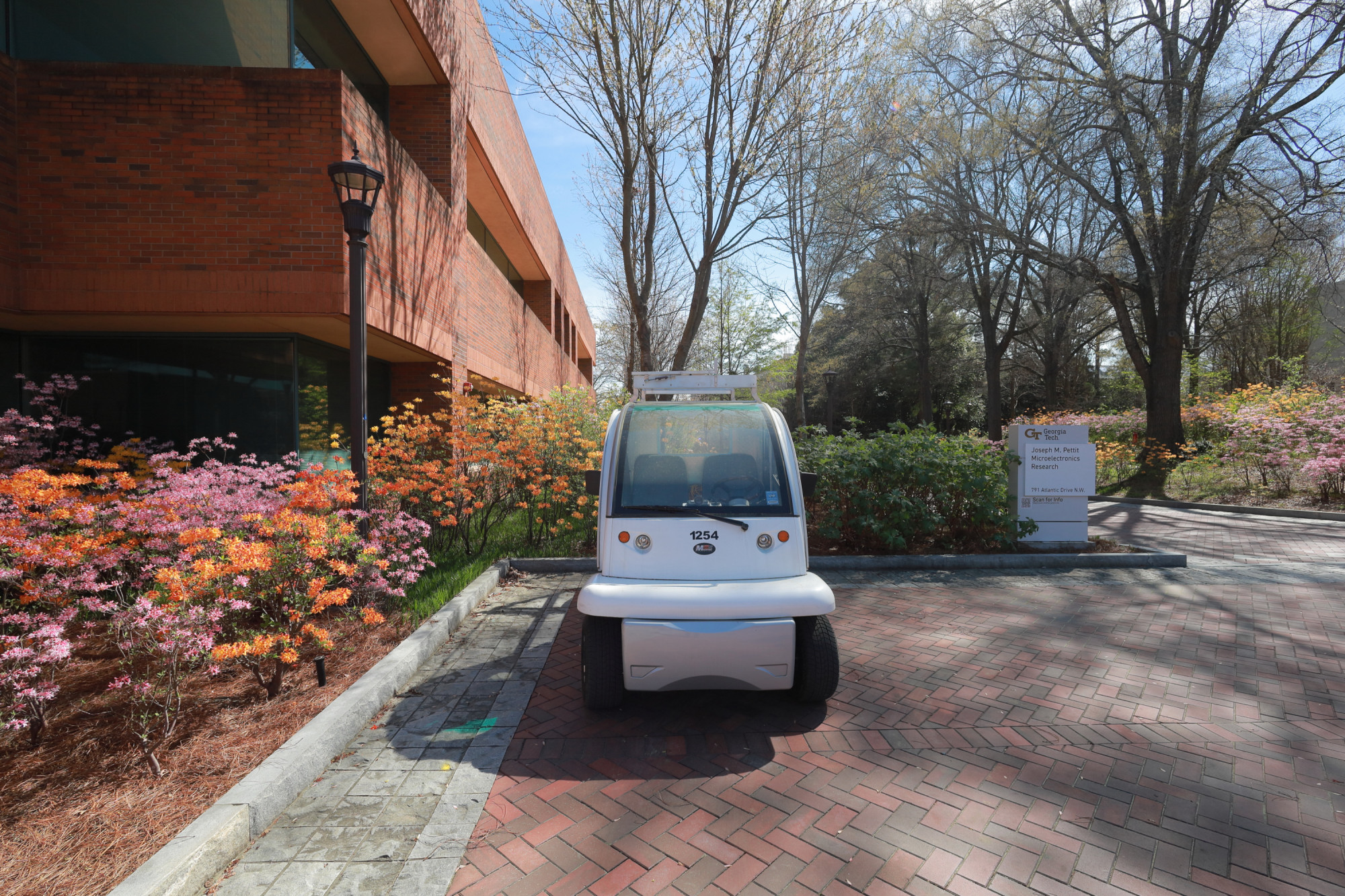
Ga Tech Campus | Canon RF 16mm f/2.8
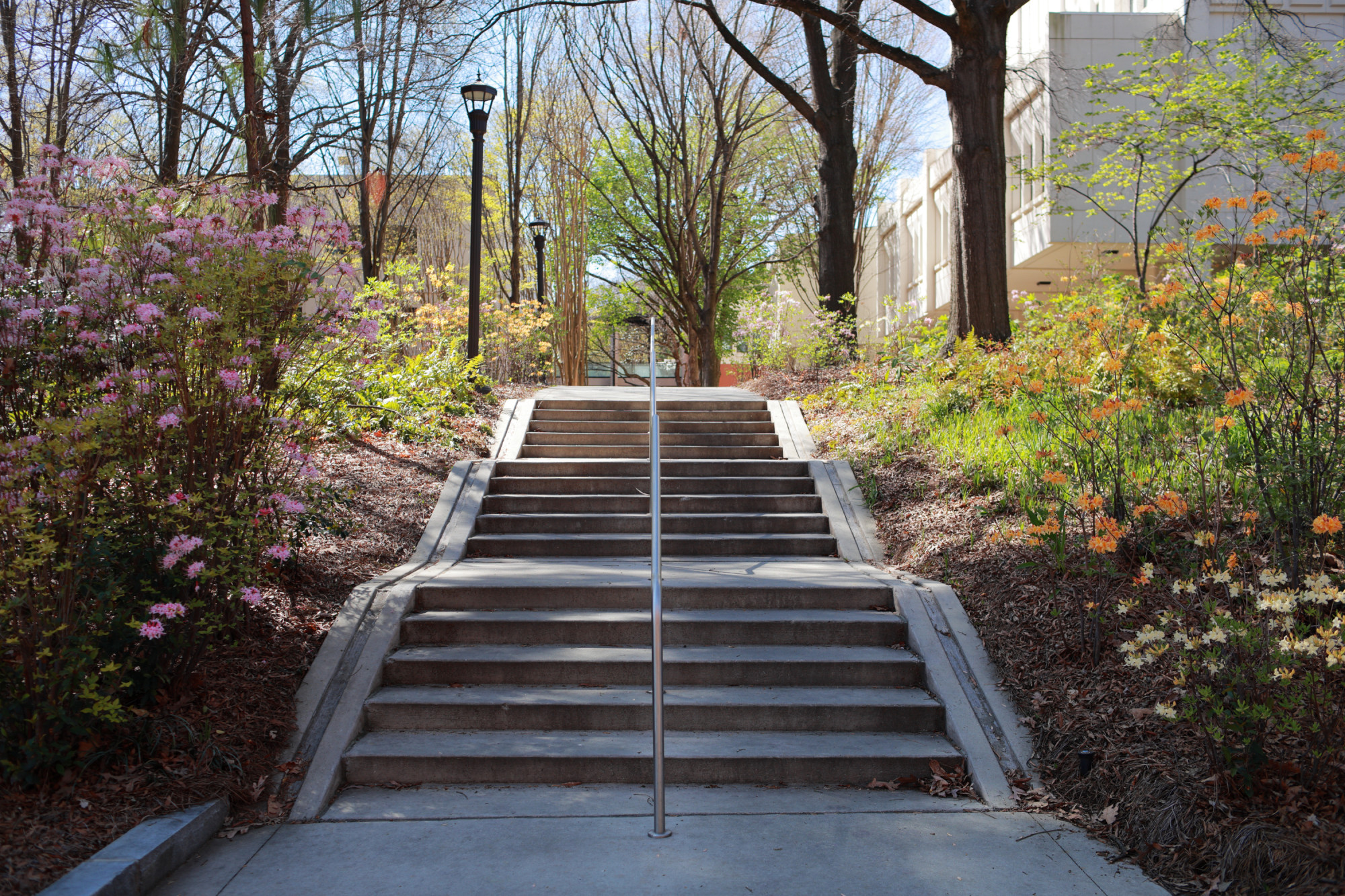
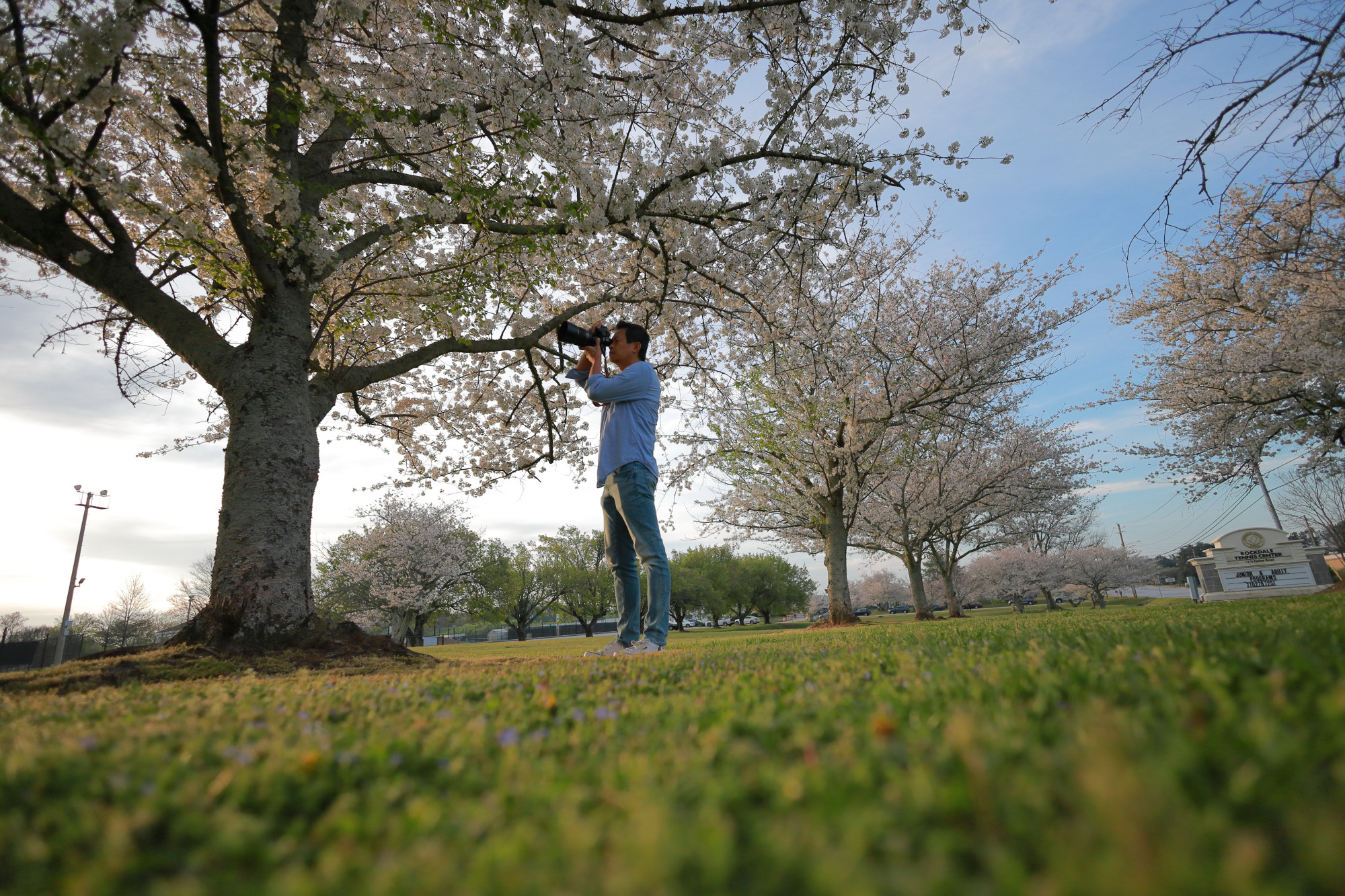
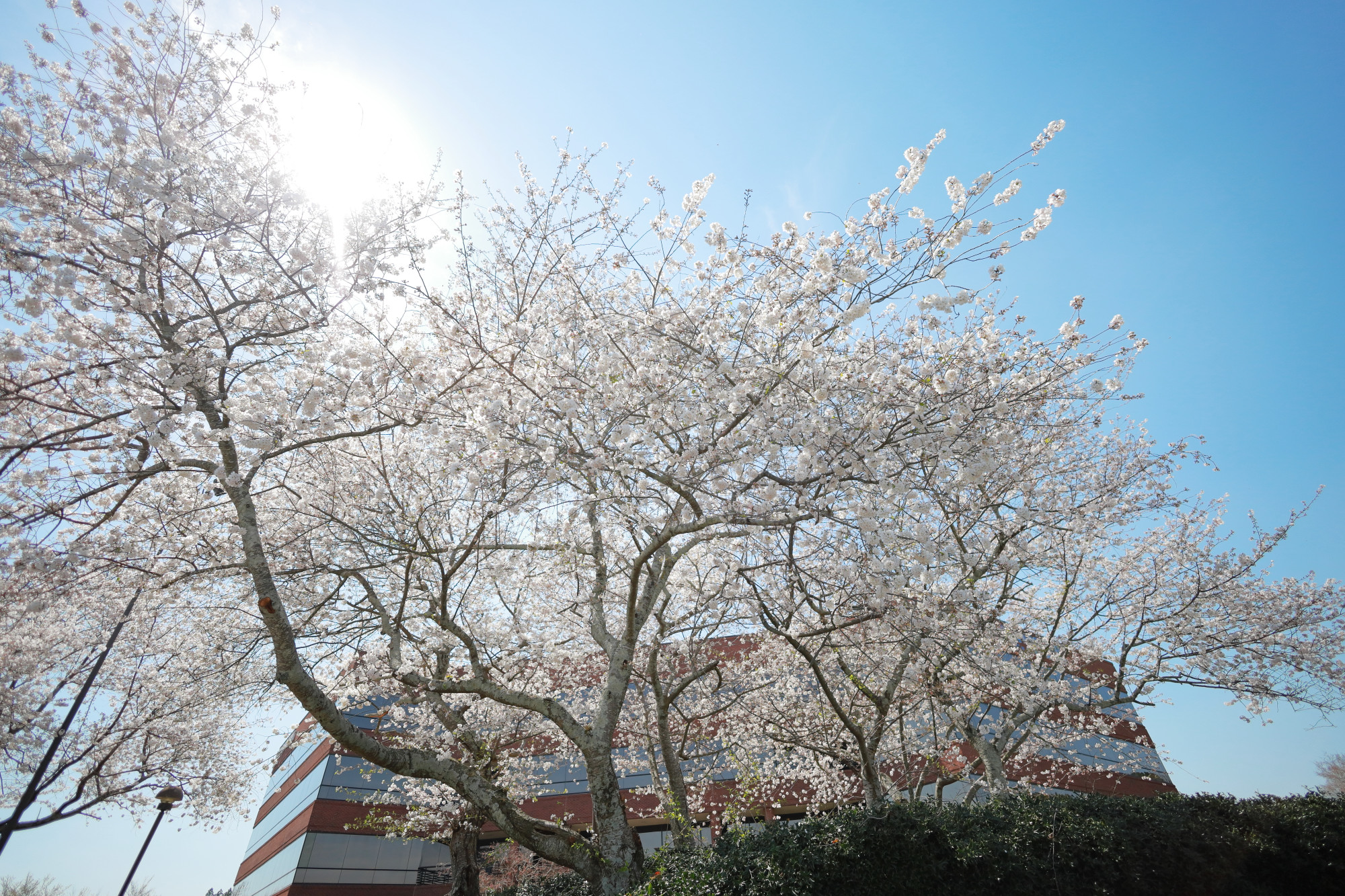
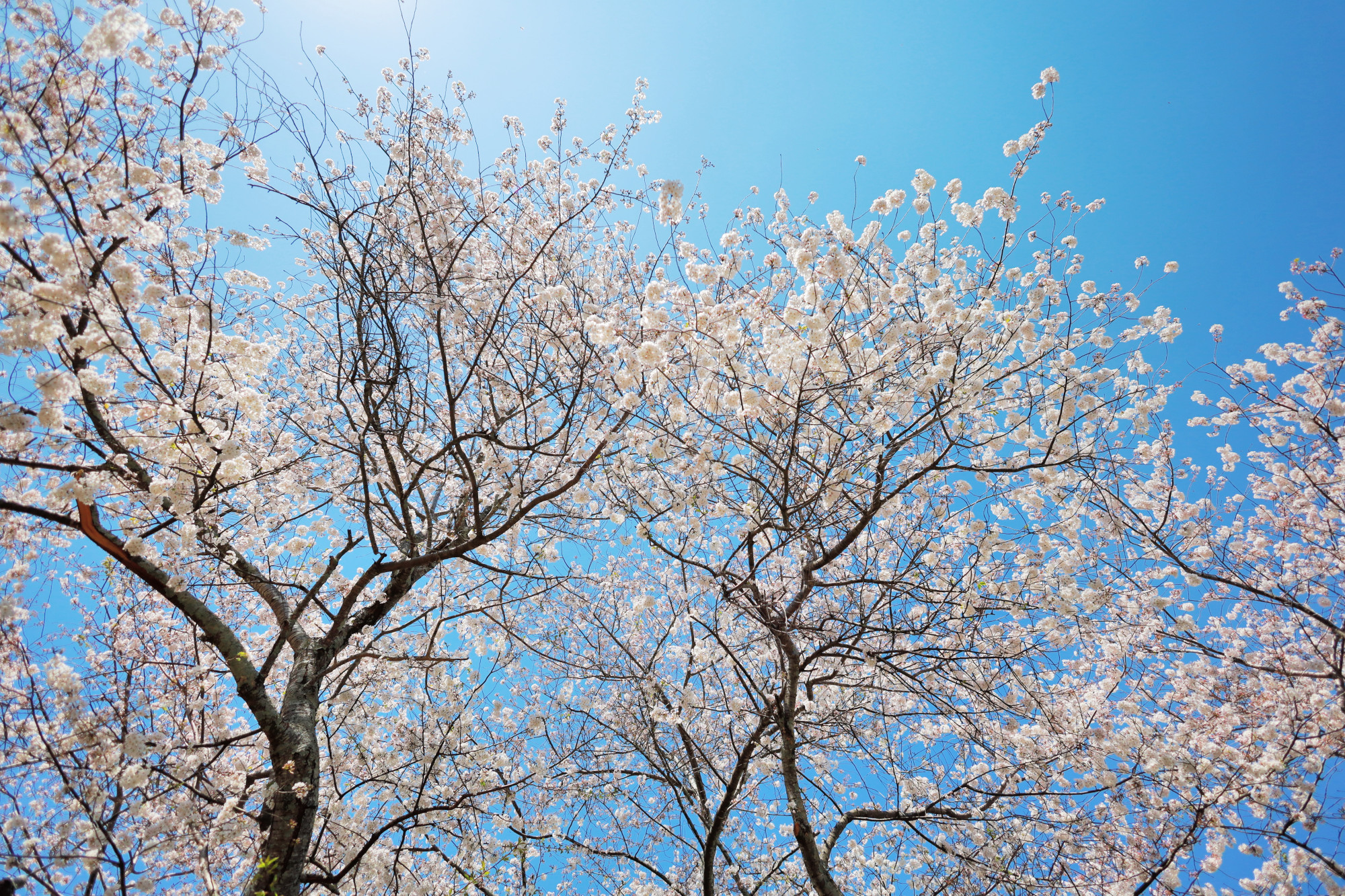
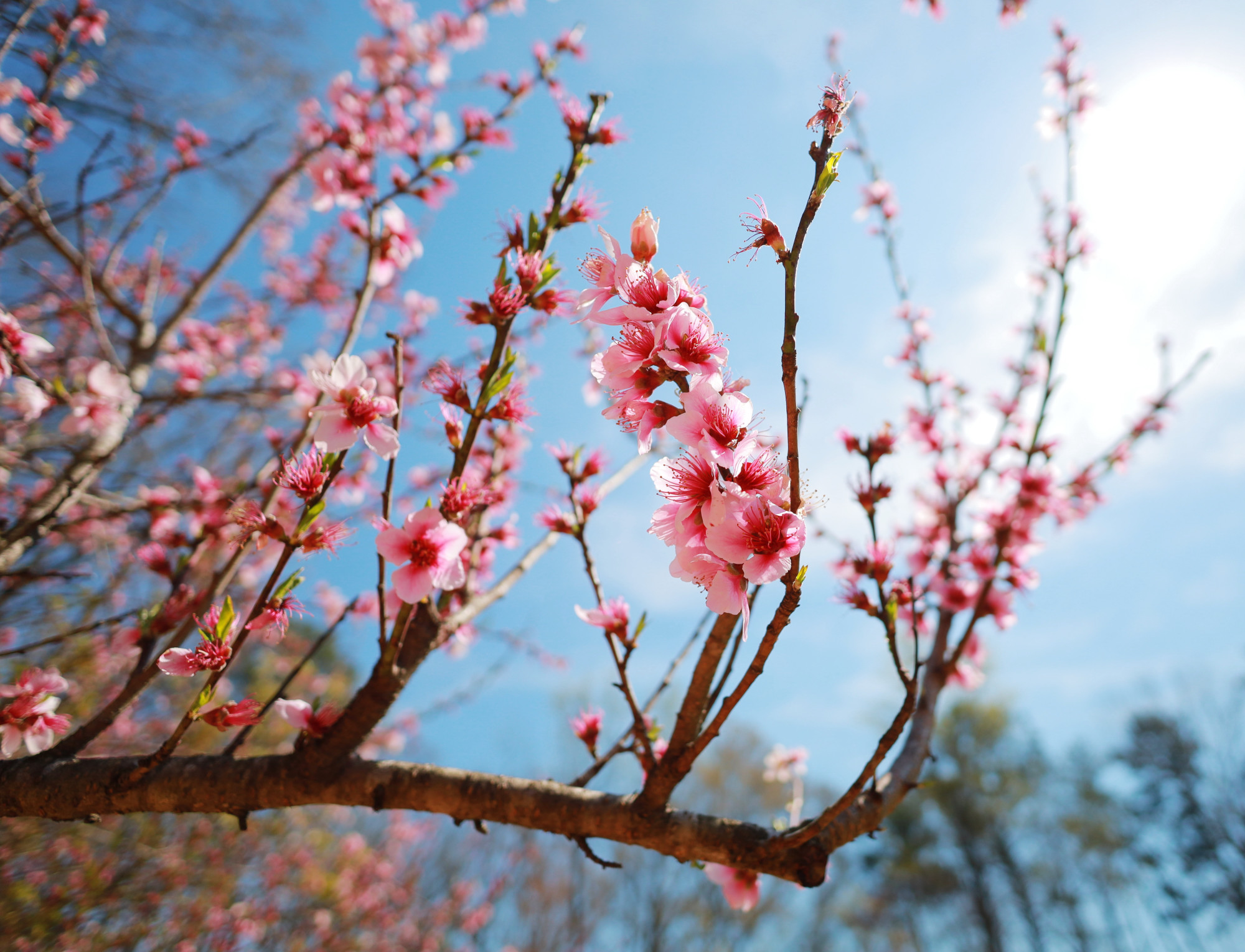
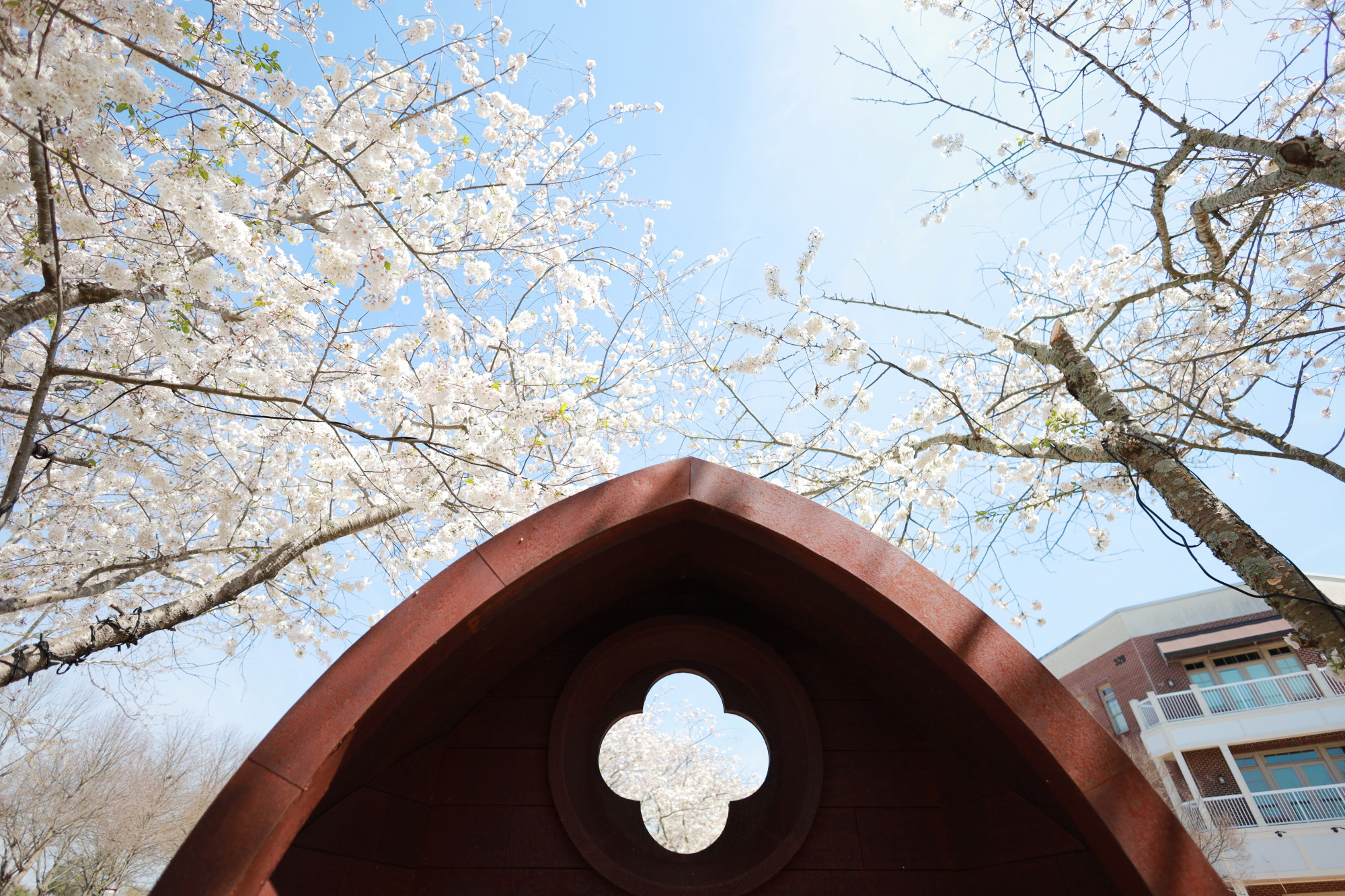
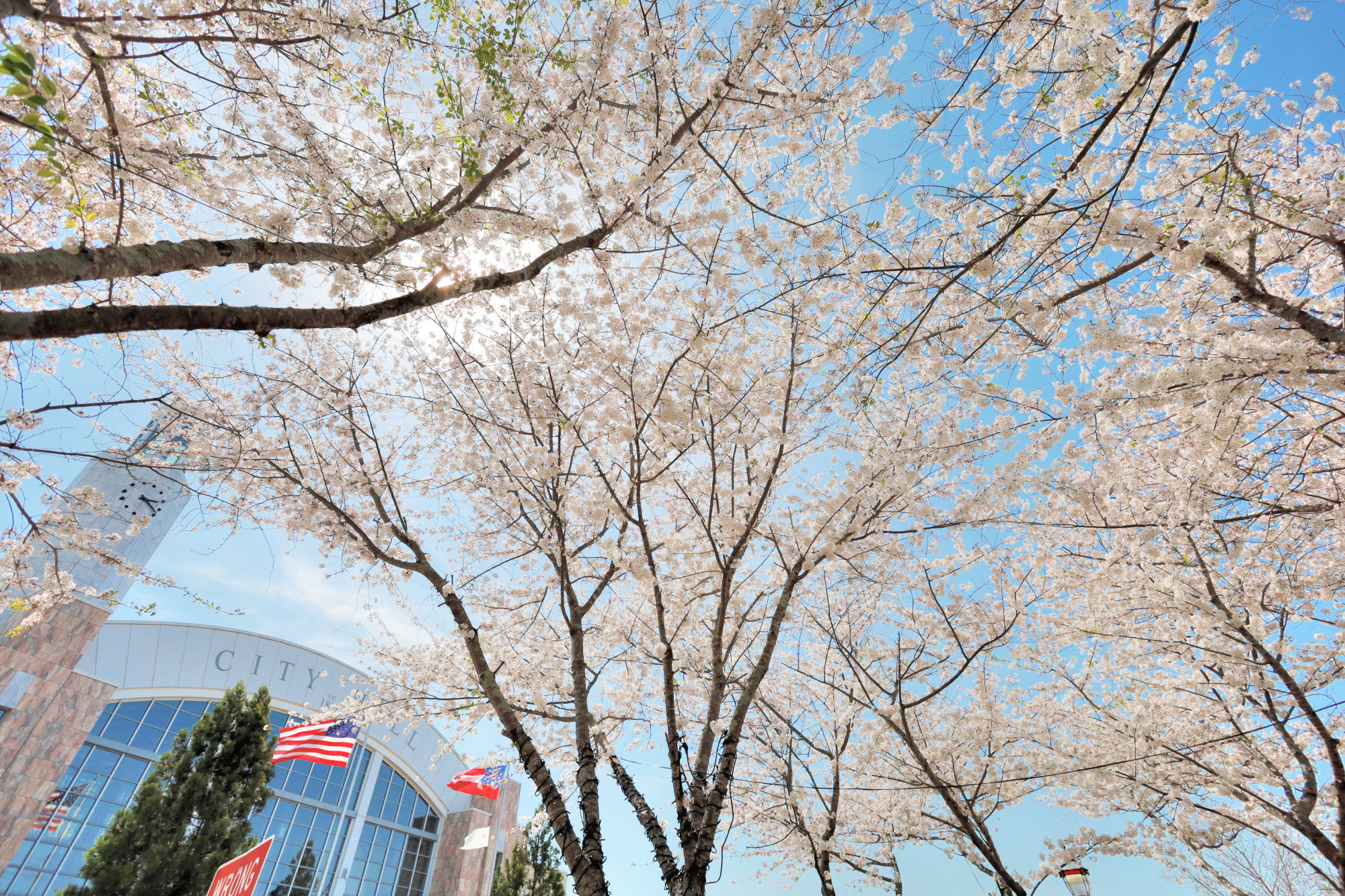
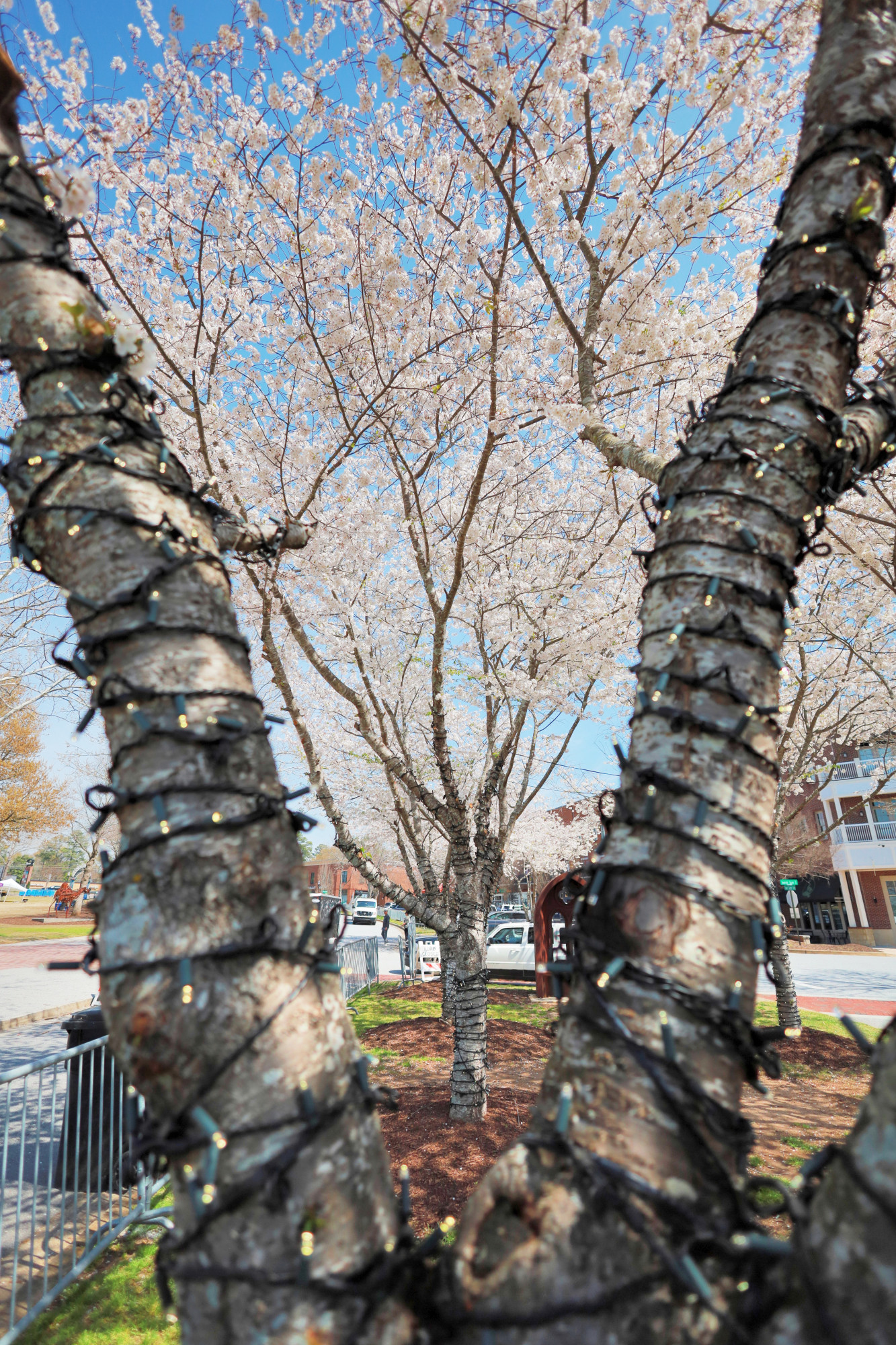
Cherry Blossoms in Conyers, GA | Canon RF 16mm f/2.8
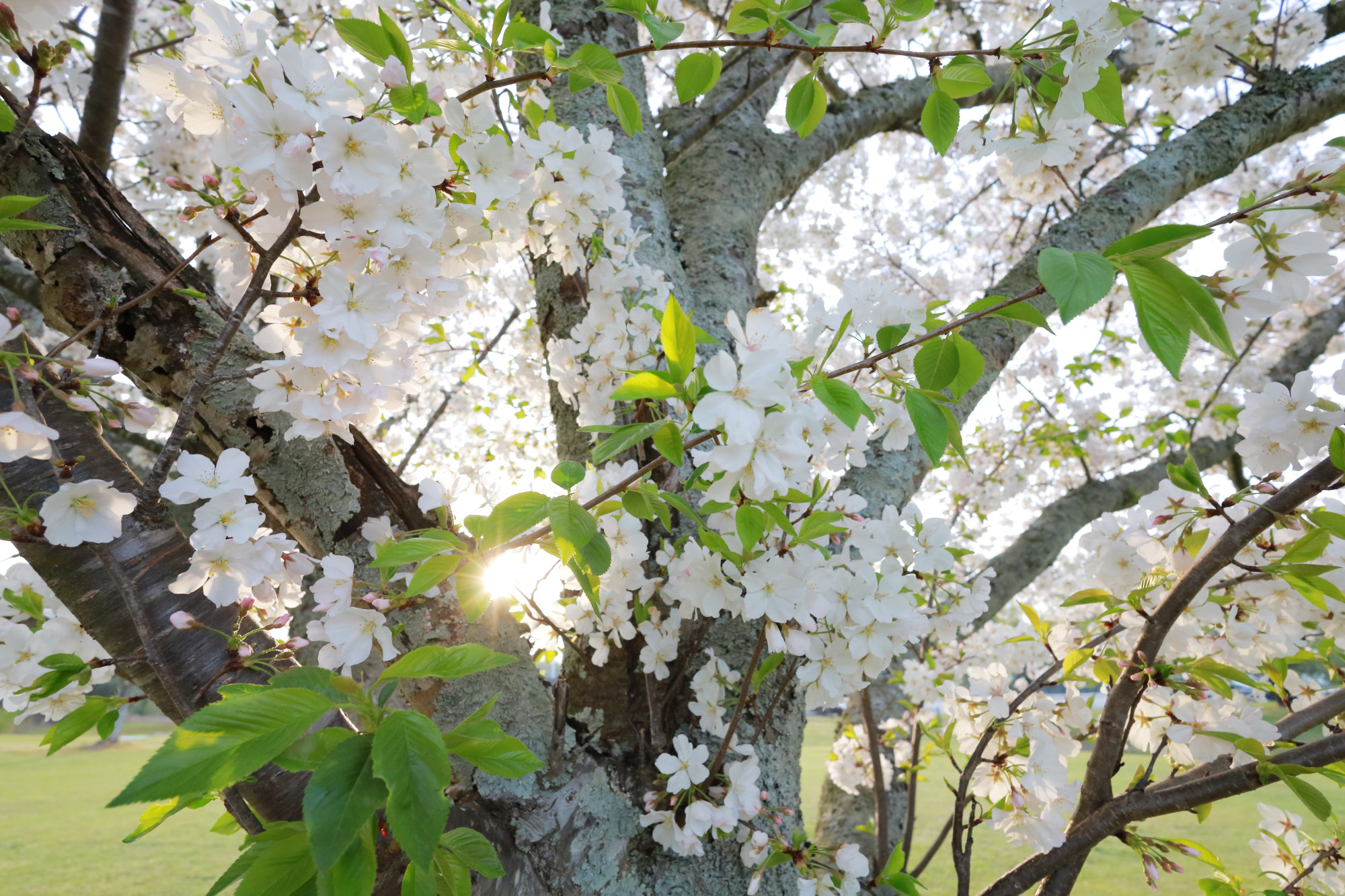
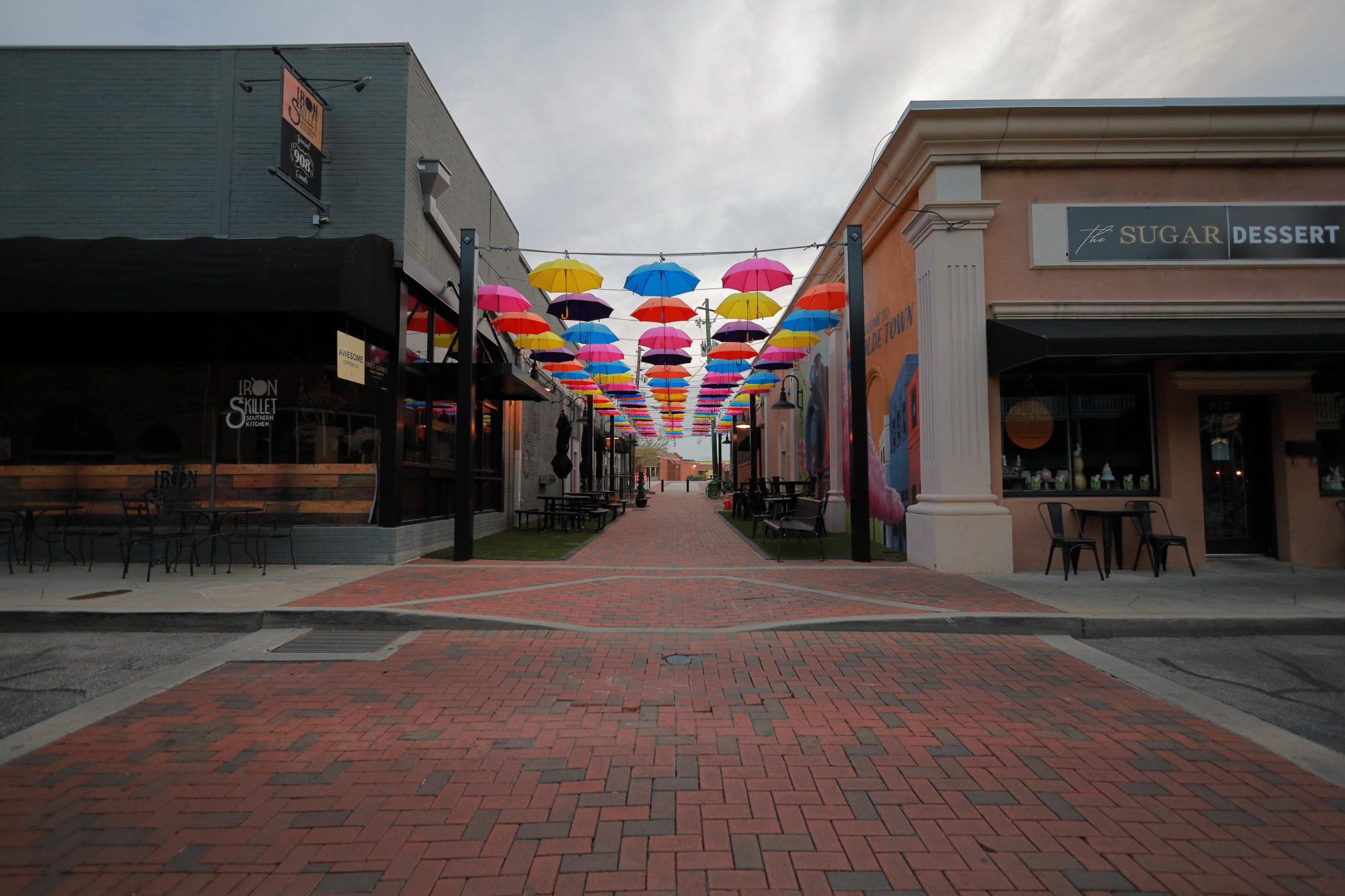
Umbrella Alley, Conyers, GA | Canon RF 16mm f/2.8
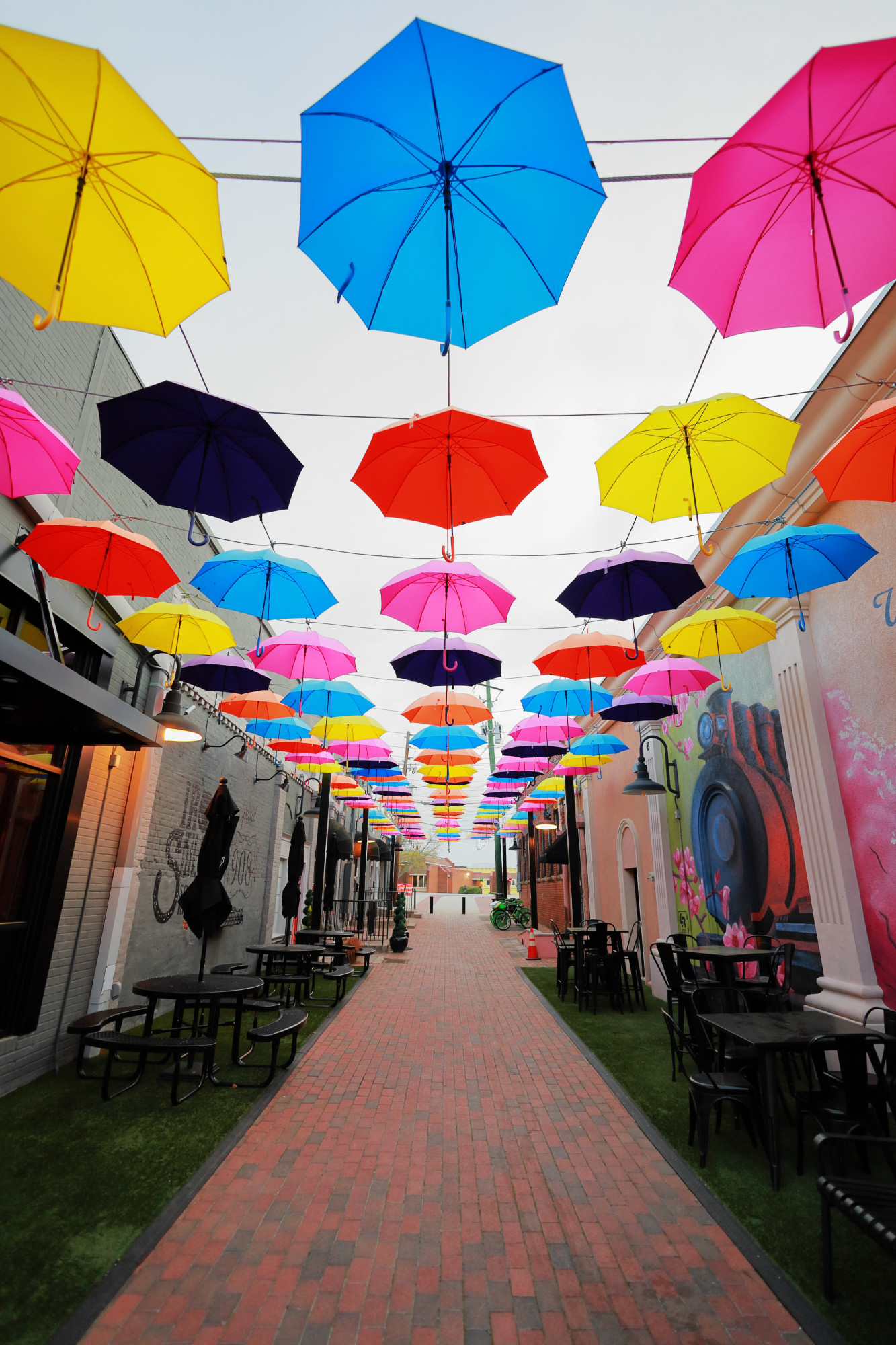
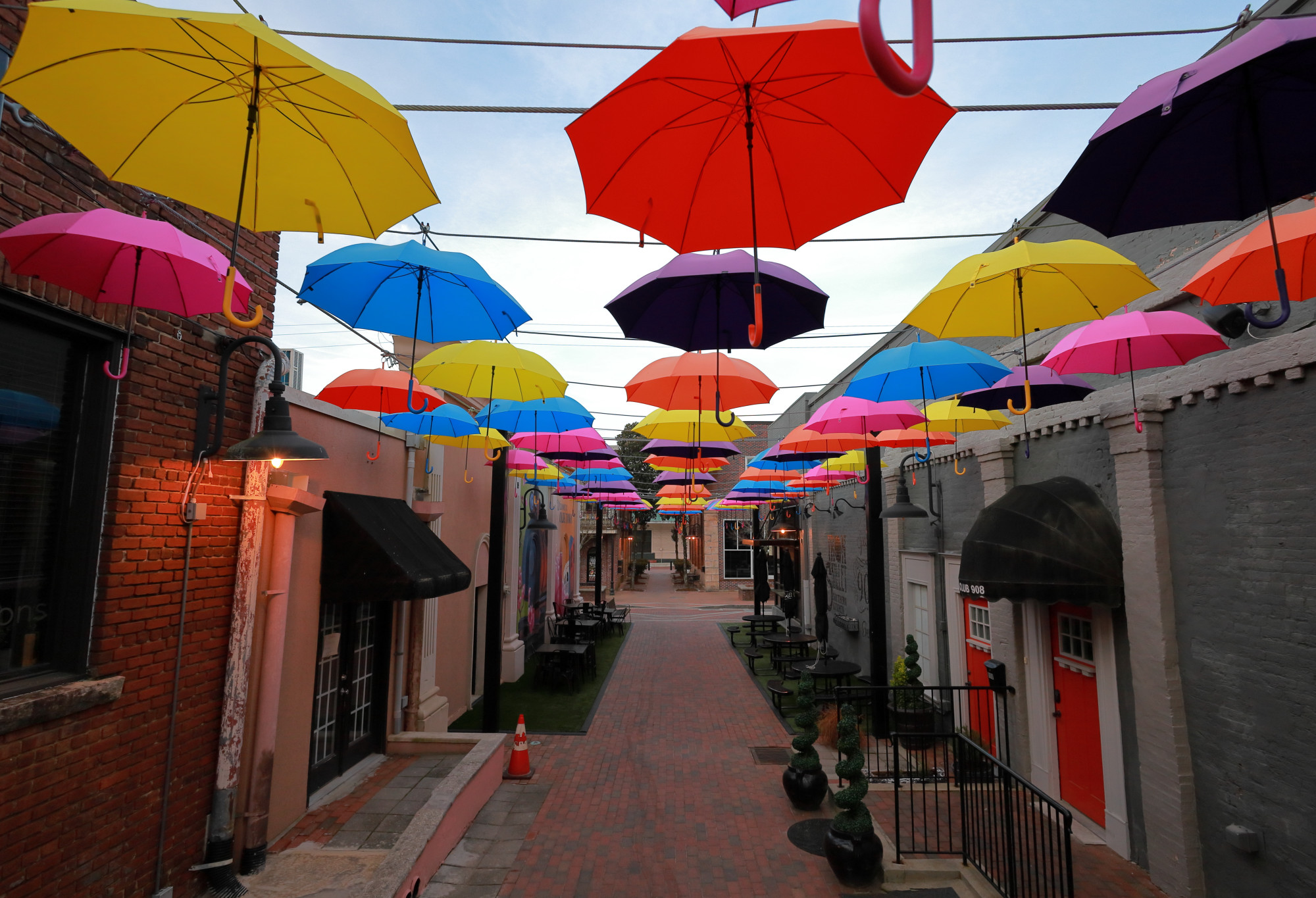
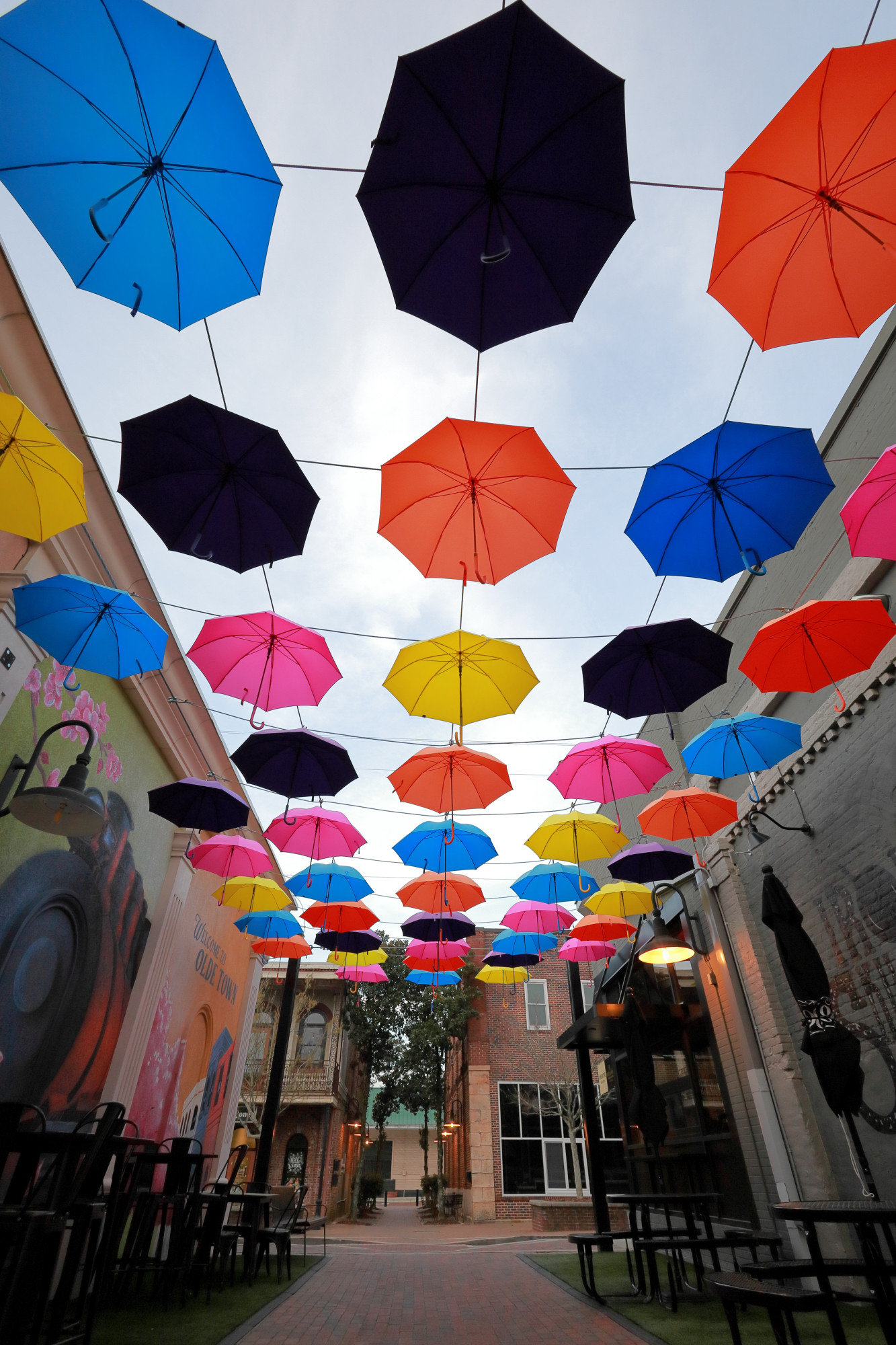
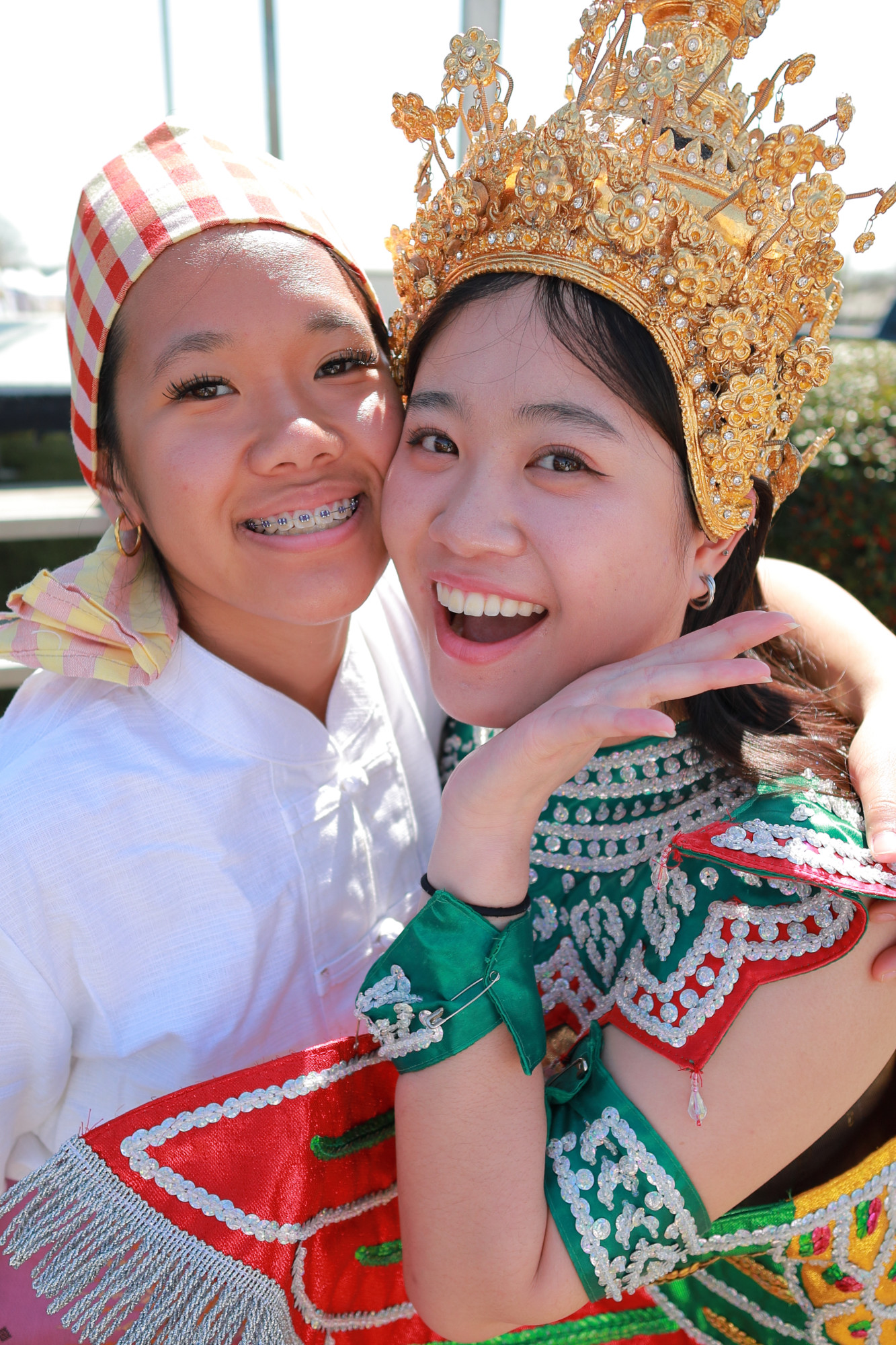
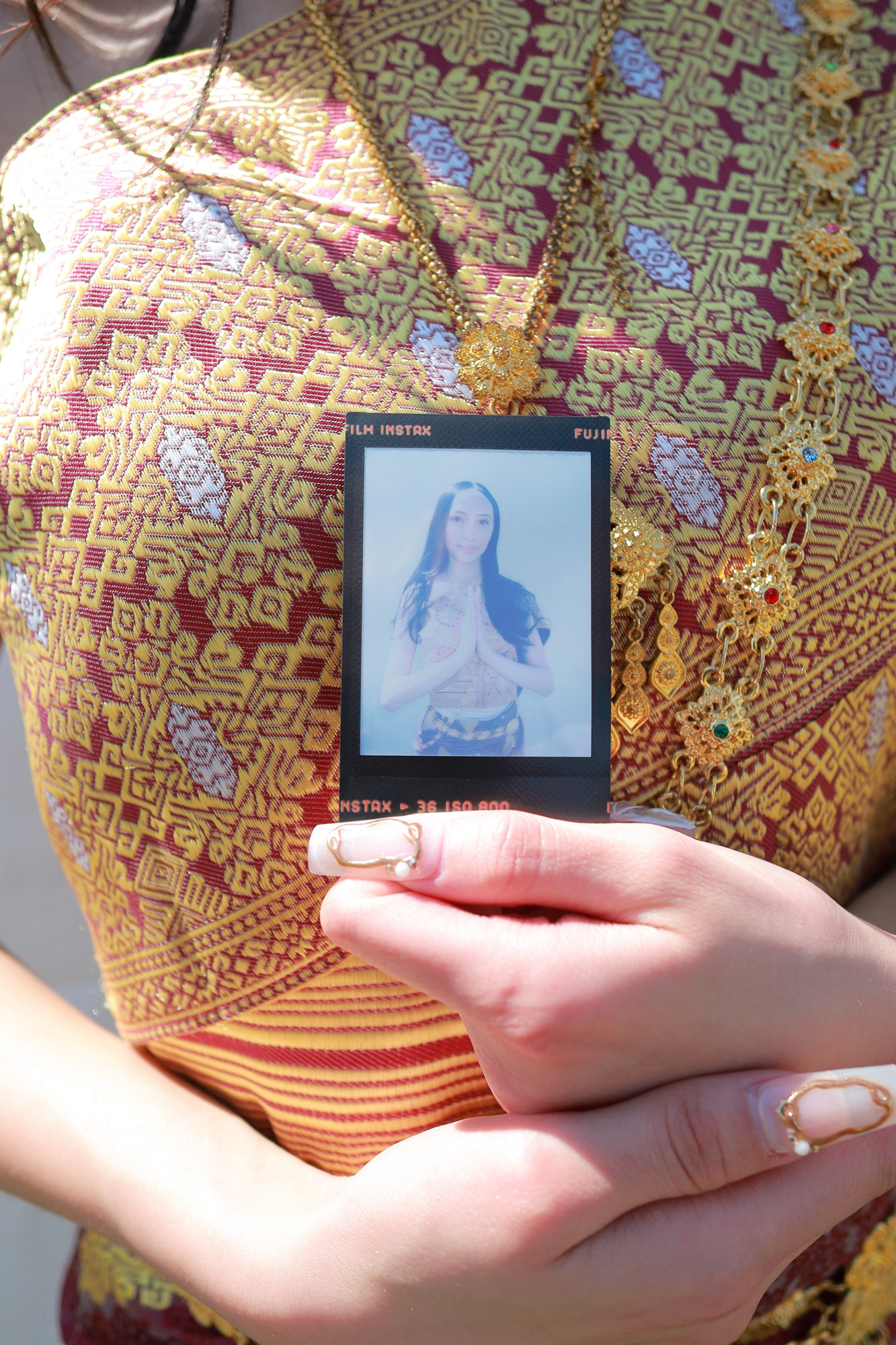
Random portraits | Canon RF 16mm f/2.8
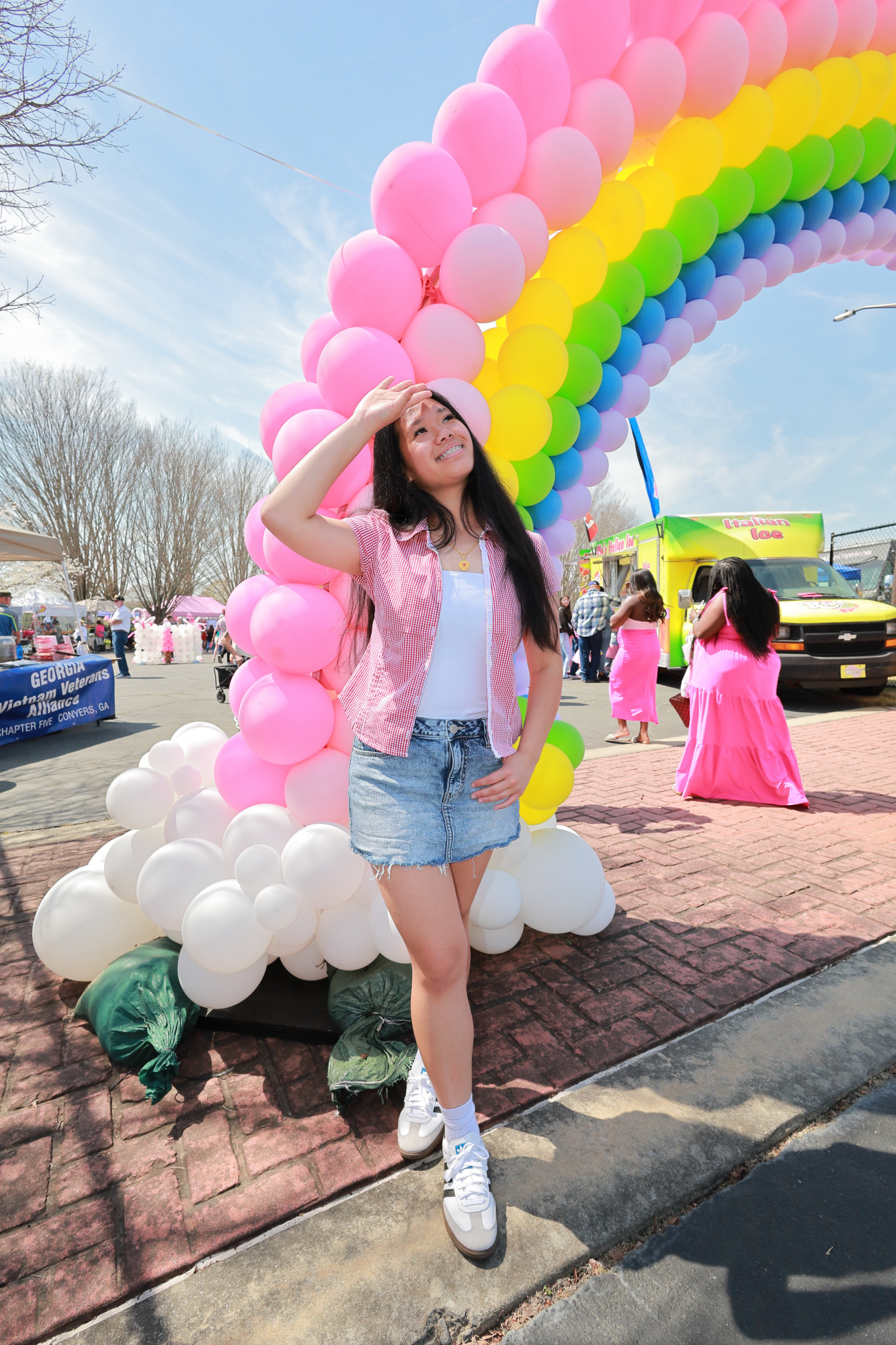
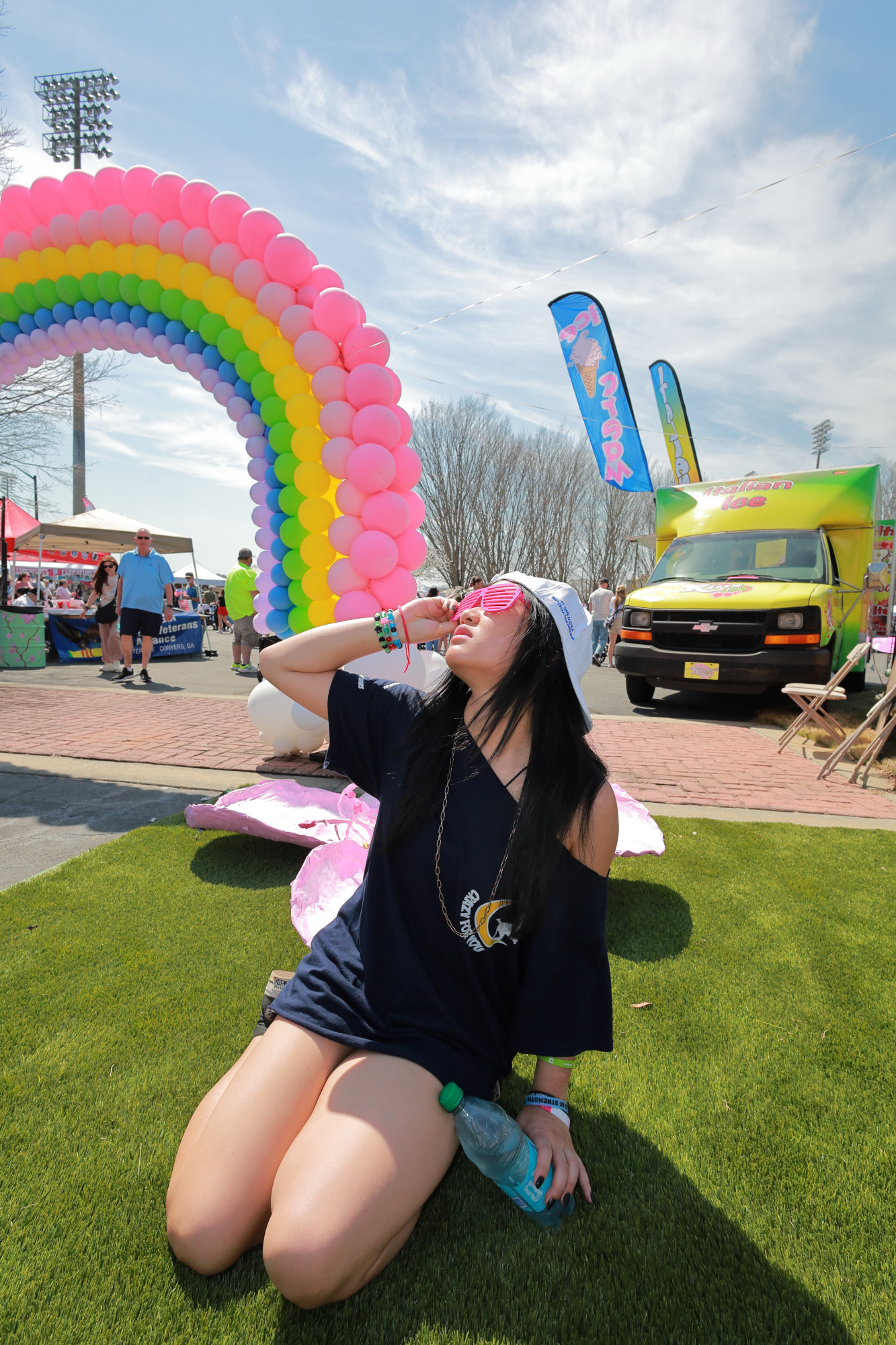

I’ve only had this lens a week, but it’s definitely going into the rotation from now on. It’s simple and light and takes up no room in the bag at all. This lens relies on auto corrections but that’s a good thing as it keeps the color fringing on the periphery down to a minimum. I shot most of the images at f/2.8 and it does get a bit sharper at f/4 and f/5.6.
This lens makes sense to me in my normal 3 camera loadouts for work or for fun. The 16mm is for more of the carefree social photos, drawing people to look how they are used to seeing themselves with their phone cameras. The extra advantage is that you can add a proper real flash to the images, giving folks an easy mode snapshot that looks a bit different.
These 3 camera 3 prime lens loadouts start to make a lot of sense and it can really make this photography game a fun one:
16mm, 35mm, 85mm: This is probably the most optimal and responsible for reportage and photojournalism. The 16mm takes care of the symmetrical room shots and establishing shots, and the chaotic group photo taken with no regards to finding an open or non cluttered space. Or the 16mm would let you take a solo photo of someone showing their entire outfit/wedding dress etc in tight quarters. The 35mm and 85mm will let you tell a story in the normal classic way.
16mm, 50mm, 105mm: This would be a setup for say portrait photography, where the 16mm takes care of the few environmental shots and bts images, where the 50mm and 105mm gets to the intent of the shoot, which is probably getting an image that the person can use for print, headshot, etc
And depending on the brand and newness of the primes, if these are all recent Canon RF small primes, then the weight savings is tremendous. Your side bag could then have extra essentials like batteries and speedlights or snacks, or even print and promo material.
(Most of the product shots were with the Nikon V1 and 18.5mm f/1.8)
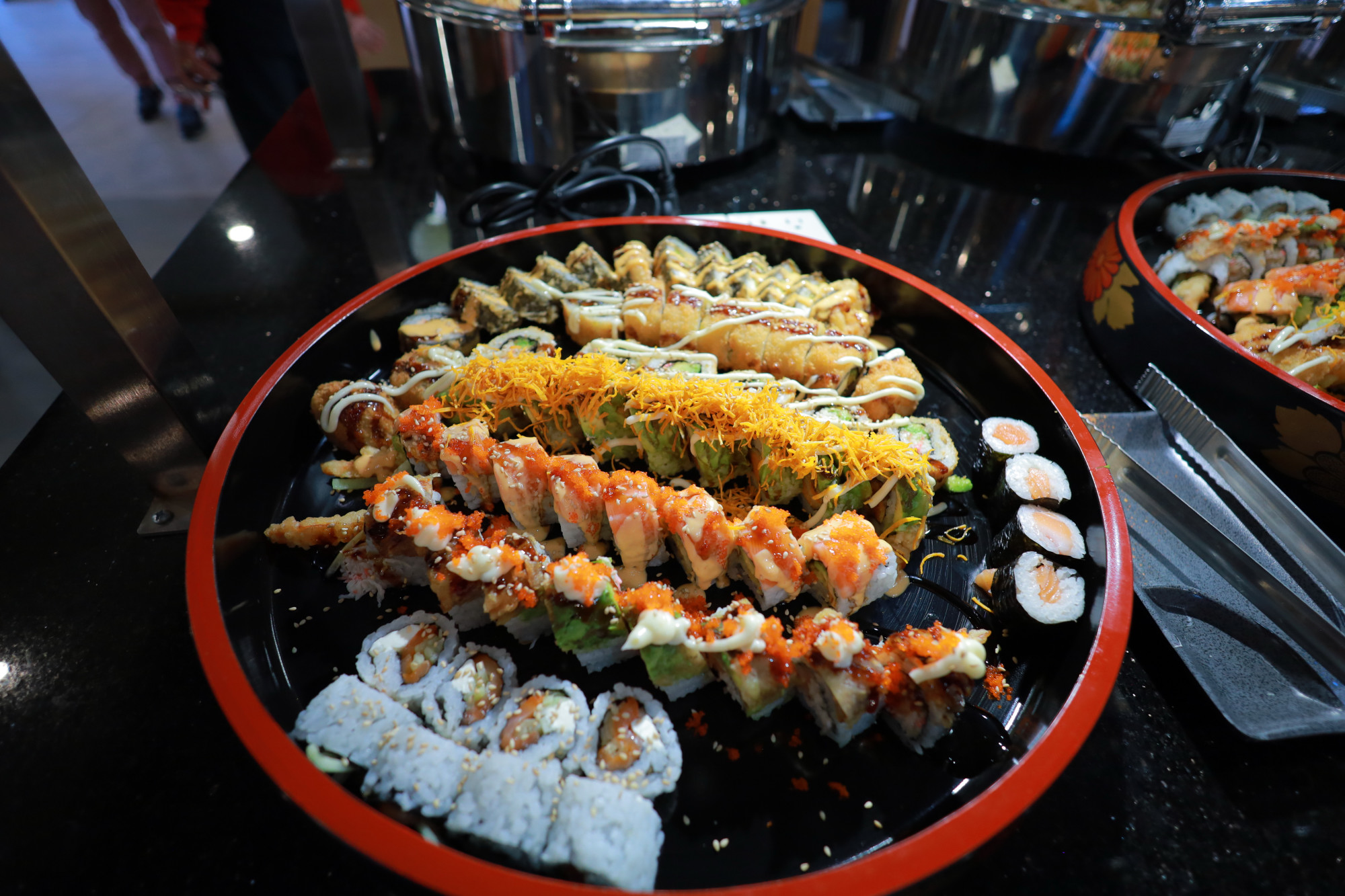
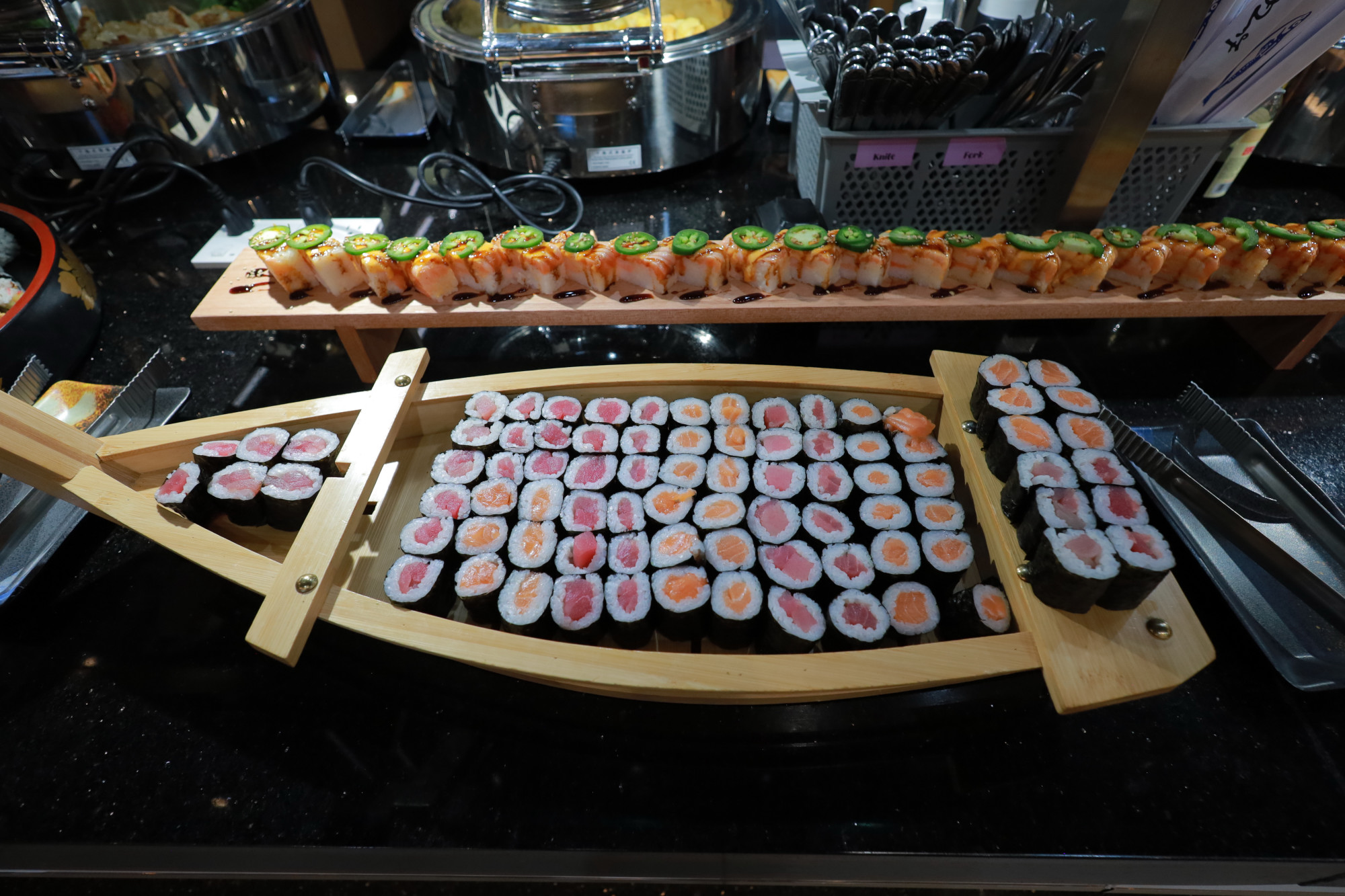
More Canon RF 16mm f/2.8 Sample Photos